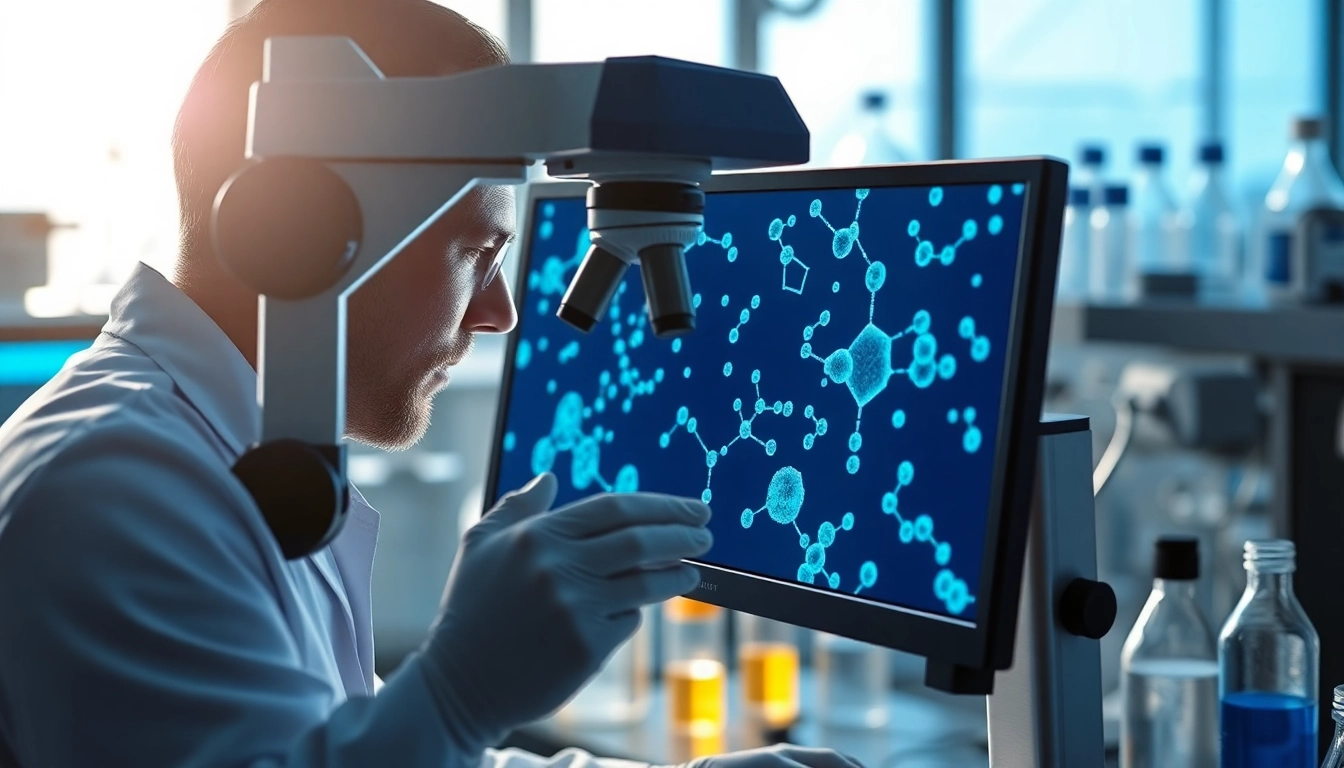
The Science of Peptides
What Are Peptides?
Peptides are short chains of amino acids, typically containing between two and fifty amino acids, that are linked together by peptide bonds. They are fundamental biological molecules that play crucial roles in various physiological processes within the human body, including hormone regulation, immune response, and cell signaling. Peptide labs are actively engaged in characterizing these molecules to understand their functions and potential applications in medicine and biotechnology.
Peptide Structure and Function
The structure of peptides is determined by their amino acid sequence, which ultimately dictates their 3D conformation and biological activity. Peptides can act as hormones, neurotransmitters, or signaling molecules, influencing a wide array of physiological responses. For instance, insulin, a peptide hormone, plays a vital role in glucose metabolism, while neuropeptides are crucial for pain perception and emotional regulation.
Types of Peptides in Research
In the realm of research, peptides can be categorized into several types: signaling peptides, antimicrobial peptides, and therapeutic peptides, among others. Signaling peptides are involved in intercellular communication; antimicrobial peptides serve as a defense mechanism against pathogens; and therapeutic peptides are being developed for targeted treatments of diseases, such as cancers or metabolic disorders.
Applications of Peptides in Medicine
Therapeutic Uses of Peptides
Peptides have gained significant traction in therapeutic applications due to their high specificity and lower toxicity compared to conventional drugs. For example, peptide-based therapies are employed in diabetes management through insulin analogs and in cancer treatment using targeted peptides that can bind to cancer cell receptors, thereby delivering cytotoxic agents directly to malignant cells.
Peptides in Drug Development
The process of drug development has been revolutionized with the incorporation of peptides as therapeutic agents. Their smaller size relative to proteins allows for easier synthesis and modification, enhancing their potential as therapeutic drugs. Additionally, they can be engineered for increased stability and bioavailability, making them desirable candidates for pharmaceutical formulations.
Challenges in Peptide Therapeutics
Despite their advantages, peptide therapeutics face challenges such as limited stability and bioavailability. Peptides are often susceptible to enzymatic degradation, hindering their effectiveness. Researchers are continuously exploring various modifications, including cyclization and substitution of amino acids, to improve their resistance to enzymatic breakdown and enhance therapeutic efficacy.
Peptide Synthesis Techniques
Solid-Phase vs. Solution-Phase Methods
Peptide synthesis can be primarily divided into solid-phase and solution-phase methods. Solid-phase synthesis allows for the automated and high-throughput production of peptides by attaching the growing peptide chain to an insoluble resin, making purification straightforward. In contrast, solution-phase synthesis is more traditional and can yield longer peptides but often requires more complex purification steps.
New Technologies in Peptide Synthesis
Innovations in synthesis technologies, such as microwave-assisted synthesis and the use of orthogonal protecting groups, are advancing peptide manufacturing. These technologies enhance reaction efficiency and reduce synthesis time, enabling researchers to produce peptides at scale for research and therapeutic applications.
Quality Control in Peptide Manufacturing
Ensuring the quality and purity of peptides is essential for their use in clinical settings. Rigorous quality control measures such as mass spectrometry, high-performance liquid chromatography (HPLC), and analytical techniques like Edman degradation are employed to confirm peptide identity, purity, and structural integrity throughout the synthesis process.
Future Trends in Peptide Research
Personalized Medicine with Peptides
The future of healthcare is leaning towards personalized medicine, where treatments are tailored to individual patient profiles. Peptides offer a promising avenue for this approach; customized peptide therapies can potentially target specific diseases associated with an individual’s genetic makeup, optimizing therapeutic outcomes and minimizing side effects.
Peptides in Immunotherapy
As immunotherapy continues to evolve, peptides are being explored as potent agents in harnessing the body’s immune system against diseases like cancer. Research is ongoing into the use of peptide-based vaccines designed to elicit specific immune responses, providing an innovative strategy for cancer treatment and infectious diseases.
The Role of Artificial Intelligence in Peptide Studies
Artificial intelligence (AI) is revolutionizing peptide research by predicting peptide sequences, improving design processes, and analyzing vast datasets for better therapeutics. AI algorithms can model interactions between peptides and biological targets more efficiently, paving the way for faster identification of promising peptide candidates for drug development.
FAQs About Peptides
What are peptides used for?
Peptides are used in various applications, including drug development, therapeutic interventions, and as biomolecular tools for research into disease mechanisms.
How are peptides synthesized?
Peptides can be synthesized using solid-phase or solution-phase methods. Automated techniques are commonly employed for efficient mass production, especially in solid-phase synthesis.
What are the benefits of peptide therapies?
Peptide therapies provide high specificity towards targets, lower toxicity compared to traditional drugs, and the potential for personalized treatment regimens tailored to individual patient needs.
Are there side effects associated with peptides?
While generally safe, peptides can cause side effects such as allergic reactions and localized irritation at injection sites. For specific peptide-based therapies, side effects can vary.
How is peptide research evolving?
Peptide research is evolving with advancements in synthesis technologies, AI applications, and increased focus on personalized and targeted therapies, facilitating breakthroughs in medicine.