Understanding Double Glazed Windows
What Are Double Glazed Windows?
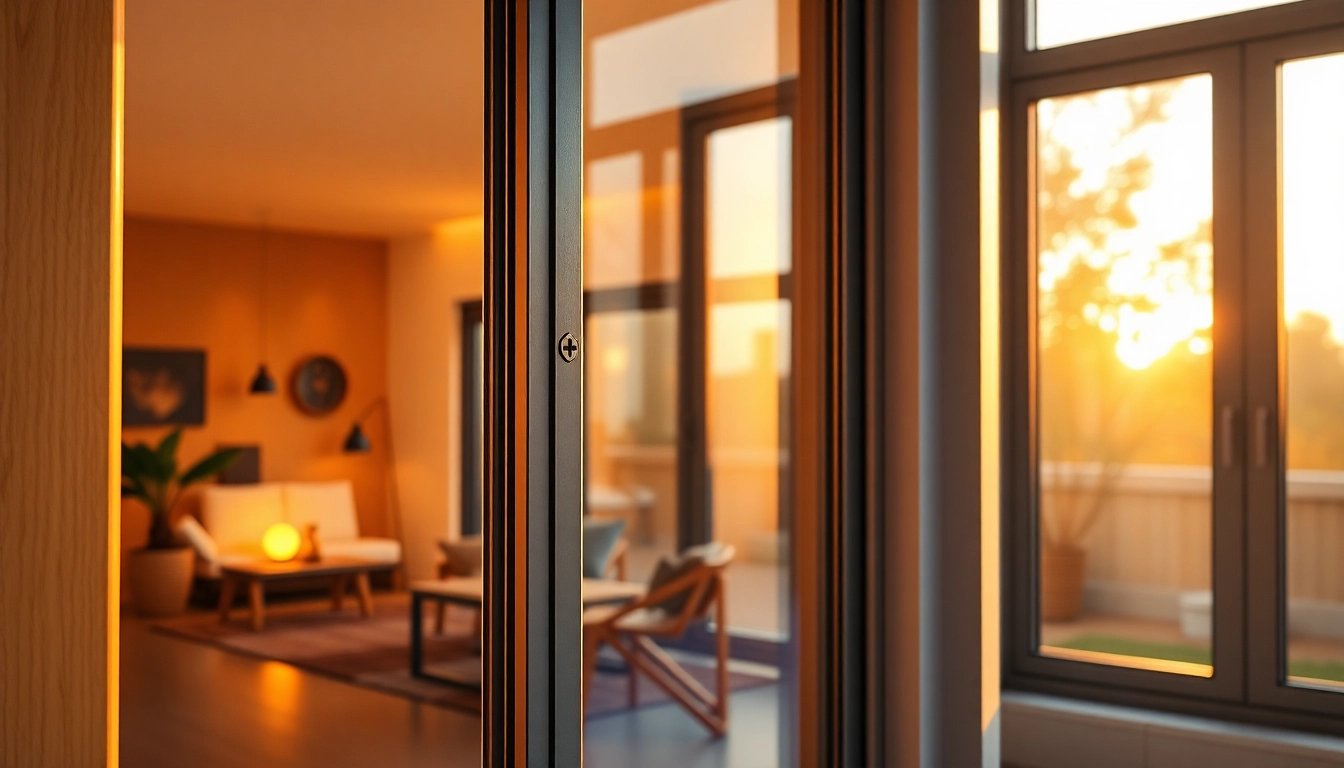
Double glazed windows, also known as insulated glass units (IGUs), are windows comprised of two panes of glass separated by a spacer, typically filled with air or gas to enhance insulation. This design minimizes heat transfer, making them a popular choice for homeowners seeking energy efficiency and comfort. By incorporating two glass panes, they provide a barrier against outdoor elements, thereby improving indoor climate control. A double glazed windows structure not only optimizes thermal performance but also enhances safety due to the strength contributed by the dual layers of glass.
How They Work for Insulation
The primary mechanism behind the effectiveness of double glazed windows for insulation lies in the air or gas pocket between the two glass panes. This layer acts as an insulating barrier, reducing heat flow into and out of the building. The most common gases used are argon and krypton, both of which offer superior thermal performance compared to air. The homes equipped with double glazing remain warmer in the winter and cooler in the summer, resulting in reduced energy consumption for heating and cooling systems. Additionally, the presence of less airflow through the seals means that external noise is often significantly diminished, providing a quieter indoor environment.
Different Types of Double Glazed Windows
There are several types of double glazed windows available, tailored to different aesthetic and functional needs. These include:
- Casement Windows: Hinged on one side, these windows open outward for maximum ventilation.
- Sash Windows: Featuring vertical sliding panels, these classic designs are often found in traditional architecture.
- Fixed Windows: Non-operable windows that are ideal for areas where ventilation is not needed but light is desired.
- Sliding Windows: Similar to sash windows but slide horizontally, providing flexibility in tight spaces.
- Bifold Windows: These are perfect for opening up walls to the outdoors and are ideal for modern spaces.
Benefits of Double Glazed Windows
Energy Efficiency and Cost Savings
One of the primary benefits of installing double glazed windows is their ability to significantly enhance energy efficiency. By minimizing heat loss in winter and keeping the interior cooler during summer, these windows help reduce reliance on heating and cooling systems. Homeowners can expect a substantial decrease in energy bills, contributing to long-term savings. Additionally, the energy efficiency of double glazed windows can contribute to qualifying for various energy tax credits or incentives offered by local governments, further offsetting installation costs.
Noise Reduction Capabilities
Beyond energy efficiency, double glazed windows provide impressive noise reduction capabilities. The two-pane design effectively dampens sound transmission, making homes quieter, especially for those living in busy urban areas or near highways. Research indicates that double glazing can reduce noise levels by as much as 70%, leading to a more tranquil living environment. This feature becomes particularly valuable in bedrooms or study areas where peace and comfort are essential.
Enhanced Security Features
Double glazed windows also offer enhanced security compared to single-pane windows. The thickness of the two glass panes makes them more difficult to break, and they can be equipped with reinforced frames and multi-point locking mechanisms for added security. This makes double glazing an excellent option for those concerned about home safety, deterring potential intruders and providing peace of mind for homeowners.
Choosing the Right Double Glazed Windows
Factors to Consider Before Buying
When deciding to invest in double glazed windows, several factors should be considered to ensure you make the best choice for your home:
- Energy Ratings: Look for windows with high energy efficiency ratings to maximize savings.
- Style Compatibility: Ensure the window design complements the architectural style of your home.
- Frame Material: Options include uPVC, aluminum, and timber, each with its benefits and maintenance levels.
- Glazing Options: Consider different glass types, such as low-E glass, which can further enhance insulation and energy efficiency.
- Installation Quality: Ensure qualified professionals handle installation to avoid any potential issues that could compromise window effectiveness.
Installation Options
Installation of double glazed windows should be conducted by experienced professionals to ensure optimal performance. Depending on the condition of existing windows and the style of home, options for installation may include retrofitting existing frames, full frame replacements, or new constructions. The method chosen greatly impacts the energy efficiency of the windows. Proper sealing during installation is also critical in preventing air leaks and ensuring the long-term durability of the windows.
Material Choices for Frames
The frame material for double glazed windows plays a significant role in the overall performance, aesthetic appeal, and maintenance requirements. Common materials include:
- uPVC: Known for its exceptional insulation properties, low maintenance, and cost-effectiveness.
- Aluminum: Offers a modern look while being strong and low maintenance, but tends to conduct heat more than other materials.
- Wood: Provides a classic aesthetic; however, it requires regular maintenance to prevent weathering and decay.
Common Concerns with Double Glazed Windows
Disadvantages and Limitations
While double glazed windows offer numerous benefits, there are some disadvantages and limitations that potential buyers should be aware of. The initial cost of installation can be higher than single-pane windows, and in certain cases, the insulated space may create condensation if the seal's integrity is compromised. Additionally, double glazing can sometimes limit window design options, particularly in older homes where traditional aesthetics are preferred. Homeowners should weigh these factors against the long-term benefits before making a decision.
Maintenance Tips
Maintaining double glazed windows is essential for ensuring their longevity and performance. Regular cleaning of the glass panes with a non-abrasive solution helps maintain clarity and appearance. Inspecting seals for any signs of wear or damage is crucial to prevent air leaks and condensation issues. Homeowners should also ensure that drainage holes in the frames are clear and functioning to prevent water buildup that could lead to frame rot. In case of any malfunctions, it is advisable to contact a professional for repairs.
Addressing Repair Issues
Should double glazed windows sustain damage, repairs can be more complicated than for single-pane windows. If the seal breaks, the integrity of the insulation is compromised, which may require the entire unit to be replaced. In some cases, it's possible to replace just the glass section, but this often depends on the extent of damage. Understanding warranty options is critical to secure repairs or replacements from the manufacturer or installer.
Frequently Asked Questions About Double Glazed Windows
What are the disadvantages of double glazed windows?
While double glazed windows are energy efficient, they can be costly to install, and if the seal fails, it leads to condensation and reduced insulation effectiveness.
How much do double glazed windows cost on average?
The cost of double glazed windows typically ranges from £700 to £1,800, depending on the size, frame material, and specific requirements of the installation.
What's the difference between double-pane and double-glazed windows?
Double-glazed windows consist of two panes of glass with an insulating layer between them, while double-pane refers specifically to the number of glass layers.
Can double glazed windows be repaired?
Depending on the damage, some aspects of double glazed windows can be repaired, but often a complete replacement of the glass unit is necessary if the seal is broken.
Do double glazed windows reduce noise effectively?
Yes, double glazed windows can significantly reduce noise levels, often diminishing external noise by approximately 70%, making interior spaces quieter.