Understanding Green Cooling Solutions
Definition and Importance of Green Cooling
As climate change concerns grow and energy costs rise, the need for sustainable cooling solutions has become critical. Green Cooling refers to various methods and technologies aimed at providing cooling while minimizing environmental impact. It focuses on reducing greenhouse gas emissions, lowering energy consumption, and utilizing renewable resources. The effectiveness of these solutions not only enhances comfort but also plays a significant role in mitigating climate change and promoting energy resilience.
How Green Cooling Works
Green Cooling systems operate through methods that prioritize energy efficiency and environmental sustainability. They leverage various technologies, such as passive cooling techniques that rely on design principles to minimize heat gain and enhance natural airflow. Active systems, like geothermal heat pumps, transfer heat from buildings using earth's thermal energy. Additionally, hybrid systems combine both passive and active systems, enabling greater flexibility and efficiency in achieving optimal cooling with minimal environmental impact.
Benefits of Implementing Green Cooling
Implementing Green Cooling technologies offers numerous benefits, including significant energy savings, reduced environmental impacts, and improved indoor air quality. By utilizing sustainable methods, homeowners and businesses can decrease their reliance on fossil fuels, resulting in a smaller carbon footprint. Moreover, many Green Cooling systems are eligible for government incentives that can help offset installation costs, making them a financially viable option.
Types of Green Cooling Technologies
Passive Cooling Techniques
Passive cooling techniques harness natural processes to maintain comfortable indoor temperatures without mechanical systems. Typical strategies include orientation design, thermal mass utilization, and natural ventilation. For instance, strategically placing windows to optimize airflow can naturally cool space and decrease reliance on air conditioning systems. Similarly, using materials with high thermal mass can absorb heat during the day and release it at night, enhancing thermal comfort.
Active Cooling Systems
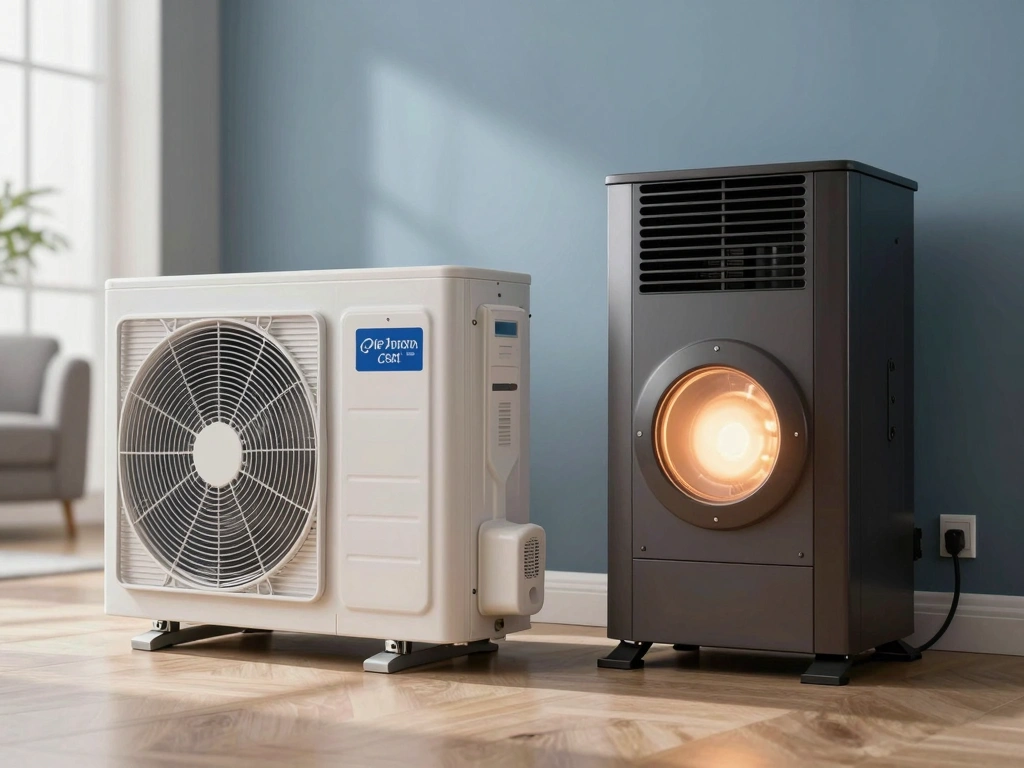
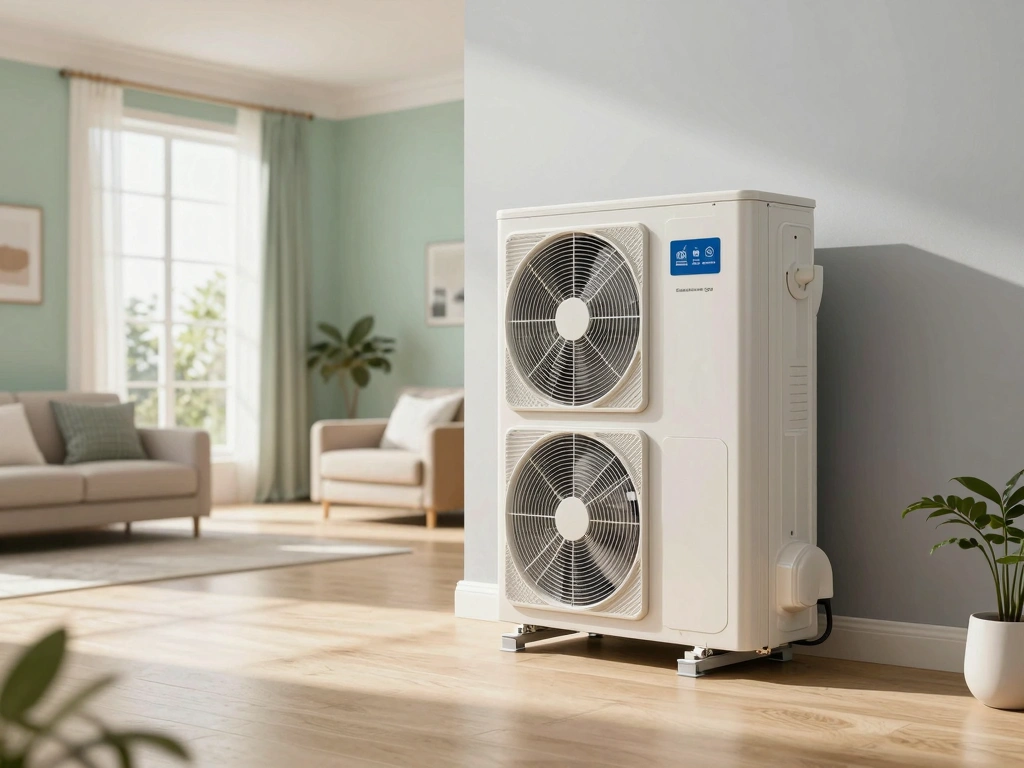
Active cooling systems, including advanced air conditioning units and heat pumps, utilize mechanical means to transfer heat and regulate indoor temperatures. Technologies such as geothermal heat pumps leverage the earth's stable temperature to provide efficient heating and cooling. These systems significantly outperform traditional air conditioning units in terms of energy consumption and operational costs. Integrating smart technologies enhances their efficiency, allowing for intelligent temperature adjustments based on occupancy and weather conditions.
Hybrid Cooling Solutions
Hybrid cooling solutions combine aspects of both passive and active systems to optimize performance and energy efficiency. These systems can switch between passive methods and mechanical cooling based on environmental conditions, ensuring comfort while conserving energy. For example, a building might utilize natural ventilation during cooler months and activate mechanical systems during peak heat. This flexibility not only enhances comfort but also minimizes energy consumption through effective resource management.
Choosing the Right Green Cooling System
Evaluating Energy Efficiency
When selecting a Green Cooling system, energy efficiency is paramount. Understanding the system's energy rating, often quantified with metrics like SEER (Seasonal Energy Efficiency Ratio) or EER (Energy Efficiency Ratio), can guide informed decisions. Higher ratings indicate more efficient systems that consume less energy while maintaining optimal performance. Comparing products based on these metrics ensures that you select a system that aligns with your sustainability goals while delivering comfort efficiently.
Assessing Environmental Impact
The environmental impact of a cooling system primarily relates to its carbon footprint and resource utilization. Investigating the materials and energy sources required for the system provides insight into its overall sustainability. Systems utilizing renewable energy sources, such as solar or geothermal, contribute significantly less to environmental degradation compared to conventional systems powered by fossil fuels. Opting for technologies that minimize harmful emissions plays a crucial role in the transition toward sustainable living.
Budget Considerations
Understanding the total cost of ownership is essential when evaluating Green Cooling systems. Initial installation costs, running costs, and potential savings from energy-efficient operation all play a role in the financial implications. Although some systems may involve higher upfront investments, the long-range savings through energy efficiency and available incentives can make environmentally friendly cooling options financially advantageous. Calculating payback periods can help select a system that aligns with your budget and financial objectives.
Installation and Maintenance of Green Cooling Systems
Installation Process Overview
The successful installation of Green Cooling systems requires careful planning and execution. Engaging professionals with expertise in sustainable technologies ensures that systems are installed following best practices. The installation process typically involves site assessments, equipment selection, and the proper integration of systems with existing infrastructure. Proper installation not only enhances performance but also extends the lifespan of the cooling system.
Regular Maintenance Practices
Routine maintenance is critical to extending the lifespan and efficiency of Green Cooling systems. Regular inspections, cleaning filters, and checking for any wear and tear can prevent inefficiencies and costly breakdowns. Moreover, maintaining refrigerant levels and ensuring mechanical components are in good condition maximize system performance. Adopting a proactive maintenance schedule enhances reliability and sustainability over the system's lifespan.
Common Issues and Solutions
Even the most efficient Green Cooling systems can encounter issues that may hinder performance. Common problems might include inadequate airflow, rising energy bills, or unusual noises. Identifying the root cause of these problems early can save time and money. For example, clogged filters can diminish airflow and efficiency; frequent cleaning or replacement can rectify this issue. Collaborating with experienced technicians ensures prompt troubleshooting and plays a crucial role in maintaining system efficacy.
Future Trends in Green Cooling
Emerging Technologies in Green Cooling
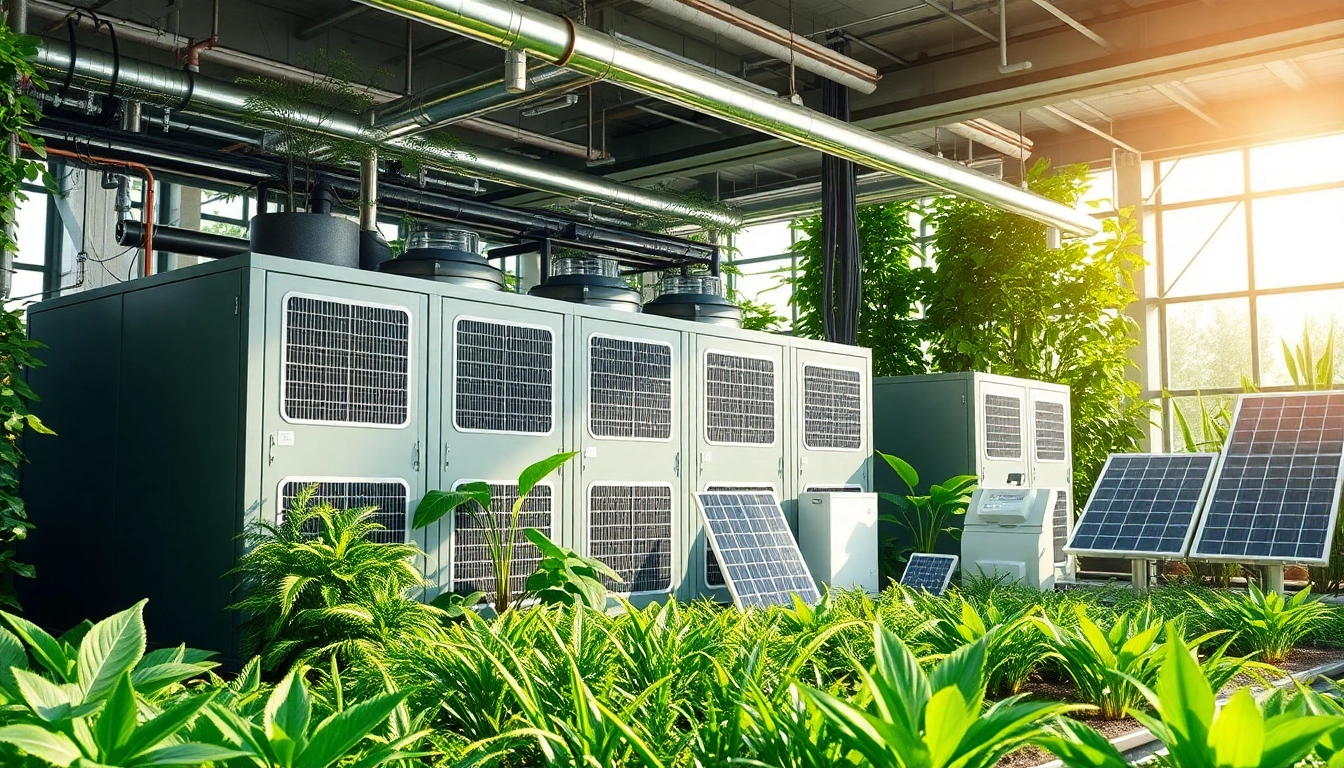
The field of Green Cooling is rapidly evolving as technology advances. Innovations such as solar cooling and phase-change materials are gaining traction as viable alternatives. Solar cooling utilizes solar energy to power cooling processes, reducing reliance on the grid. Phase-change materials absorb and release heat, providing effective thermal management. These emerging technologies promise to refine cooling efficiency while minimizing environmental impact significantly.
Government Regulations and Support
As sustainability efforts escalate, many governments are implementing regulations and support systems that promote Green Cooling technologies. Incentives such as rebates and tax credits drive interest in sustainable solutions while encouraging the adoption of energy-efficient systems. Staying informed about local policies can provide financial benefits and ensure compliance with evolving regulations aimed at reducing energy consumption and emissions.
Impact on Energy Consumption
Adopting Green Cooling systems can lead to significant reductions in energy consumption. By leveraging advanced technologies and sustainable practices, businesses and homeowners can dramatically lower their energy demands, contributing to energy resilience. As these sustainable practices become mainstream, the broader impacts on energy grids and supply chains will promote a more sustainable future, potentially reshaping energy markets and consumption patterns.
FAQs
What is Green Cooling?
Green Cooling refers to environmentally sustainable cooling methods aimed at reducing energy consumption and emissions.
What are some common Green Cooling technologies?
Common technologies include passive cooling systems, geothermal cooling, and energy-efficient air conditioning units.
How does Green Cooling impact energy bills?
By using renewable energy sources and optimizing efficiency, Green Cooling can significantly lower energy bills.
What maintenance is required for Green Cooling systems?
Routine inspections, cleaning filters, and ensuring proper operation are crucial for maintaining system efficiency.
Are there government incentives for Green Cooling options?
Many governments offer incentives or rebates for businesses and homeowners who invest in Green Cooling technologies.