Understanding Double Glazed Windows
What Are Double Glazed Windows?
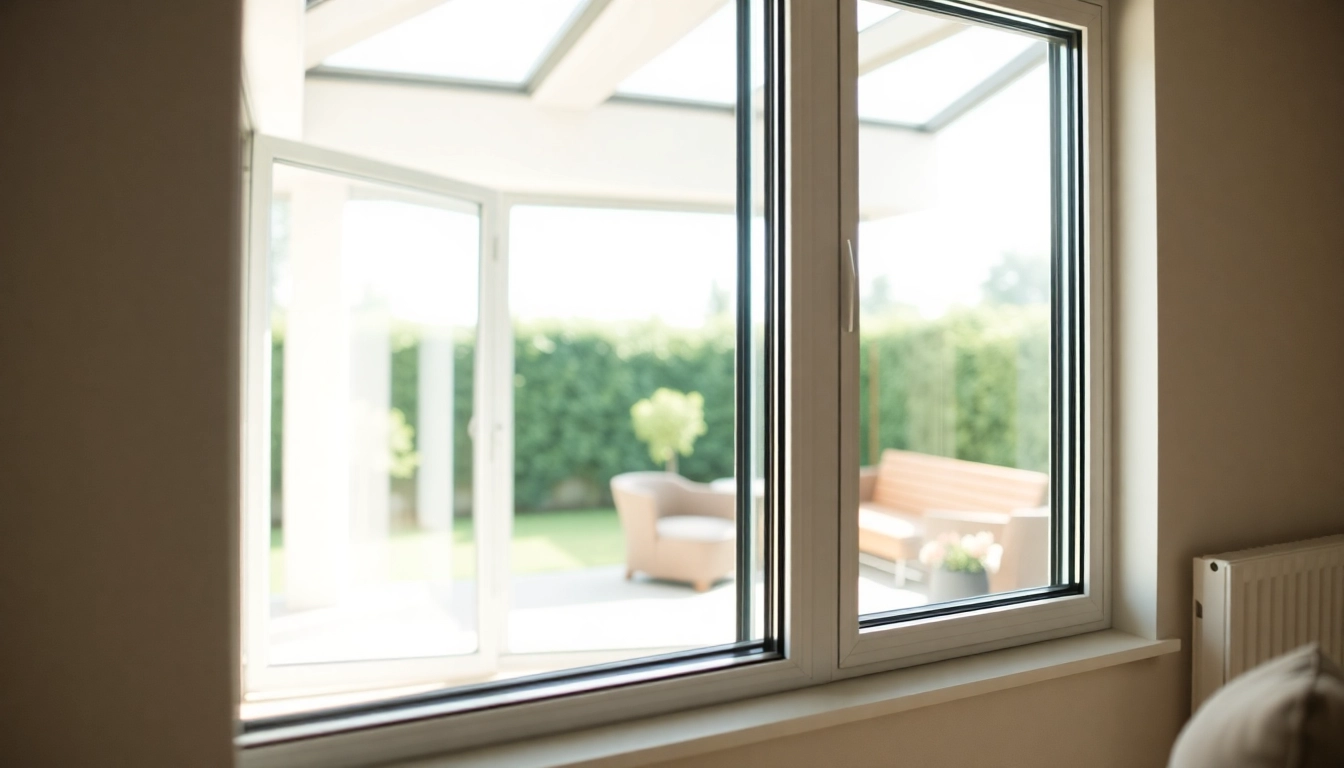
Double glazed windows consist of two panes of glass separated by a gap filled with air or gas, typically argon or krypton. This gap acts as an insulator, reducing heat transfer and enhancing energy efficiency. They are commonly referred to as insulating glass and play a crucial role in modern architecture, providing better thermal performance and noise reduction for both homes and commercial properties. The double glazed windows technology has evolved significantly, offering various designs, styles, and materials suitable for different building needs.
How Do They Work?
Double glazed windows operate on the principle of thermal insulation. The two glass panes are separated by a spacer, creating an air gap that minimizes heat transfer. This design reduces the energy needed for heating or cooling spaces, as less heat escapes during winter and less enters during summer. Moreover, the insulating gas between the panes enhances this effect, ensuring that rooms maintain a stable indoor temperature. This mechanism not only enhances comfort but also contributes to significant energy savings over time.
Materials Used in Double Glazing
The materials used in double glazing are fundamental to its performance. The glass panes are often made from low-emissivity (Low-E) glass, which reflects infrared light, keeping heat in during winter and out during summer. The spacer bars between the panes can be made of materials like aluminum or stainless steel, with warm edge spacers offering superior insulation. Additionally, the gas filling often consists of argon or krypton, which are more effective insulators than air. The frame materials can vary, including uPVC, aluminum, or timber, each providing unique benefits and aesthetics.
Benefits of Double Glazed Windows
Energy Efficiency and Cost Savings
One of the primary advantages of double glazed windows is their energy efficiency. By reducing heat loss, they help homeowners and businesses save on energy bills. Studies suggest that double glazing can reduce heating costs by up to 50%. The initial investment may seem high, but the long-term savings, combined with potential government incentives for energy-efficient upgrades, make double glazed windows a financially sound choice. Furthermore, many homeowners report lower energy consumption leading to reduced environmental impact, aligning with growing sustainability goals.
Improved Comfort and Noise Reduction
Not only do double glazed windows provide thermal comfort, but they also significantly reduce exterior noise. This is particularly beneficial for homes located in busy urban environments or near highways. The soundproofing qualities arise from the layers of glass and the spacer, which dampens vibrations. Homeowners often enjoy a quieter, more peaceful interior environment, enhancing their quality of life. In high-traffic areas, the installation of double glazed windows can drastically improve residential tranquility.
Increased Home Value
Installing double glazed windows can increase the overall value of a property. Potential buyers often prioritize energy efficiency and comfort, both of which are greatly enhanced by double glazing. Additionally, homes equipped with modern, high-quality double glazed windows are typically viewed as more desirable in the real estate market. This upgrade not only provides immediate benefits to homeowners but also serves as a valuable selling point should they decide to move in the future.
Common Concerns with Double Glazed Windows
Advantages and Disadvantages Overview
While double glazed windows offer numerous benefits, they are not without drawbacks. The main downside is the initial cost; double glazing can be significantly more expensive than single glazing. Maintenance is also a concern, as damaged double glazed units may not be as easily repairable as their single-pane counterparts. Additionally, while they provide excellent thermal insulation, overheating can occur in particularly sunny locations if the right type of glass isn’t chosen. A balanced approach in evaluating both options is essential for informed decision-making.
Initial Cost Considerations
The initial cost of double glazed windows includes the price of materials, installation, and any potential additional costs for frame upgrades or modifications. On average, the cost can range significantly depending on materials and specifications, usually starting around £700 to £1,800. Homeowners should evaluate their budget against potential energy savings and comfort improvements to determine whether the investment fits their financial goals.
Installation Challenges
Installing double glazed windows can present certain challenges, especially if existing frames are not suitable for this upgrade. Proper assessment by a qualified professional is crucial to ensure a correct fit. Additionally, older homes may require structural modifications, which can lead to higher costs and extended installation timelines. Homeowners should plan for these factors and ensure they engage with experienced contractors to mitigate any potential pitfalls during the installation process.
Choosing the Right Style and Design
Types of Double Glazed Windows
Double glazed windows come in various styles, including casement windows, sliding windows, and sash windows. Each type has its specific installation requirements and advantages. For example, casement windows provide excellent ventilation and energy efficiency, while sliding windows are ideal for compact spaces. Homeowners should assess their needs and preferences against available window styles to find the best match for their homes.
Matching Your Home’s Aesthetic
Choosing double glazed windows requires careful consideration of the architectural style of the home. The frame material, color, and design should complement the overall aesthetics of the property. Whether one opts for sleek aluminum, traditional timber, or modern uPVC, aligning window choice with style ensures cohesive design and can enhance curb appeal. Engaging with design professionals can provide valuable insights into maximizing aesthetic qualities while maintaining functionality.
Regulatory and Certification Standards
When selecting double glazed windows, it is essential to consider local building codes and energy efficiency standards. Many regions have regulations to promote energy conservation, compelling manufacturers to meet specific performance benchmarks. Homeowners should check for certifications such as Energy Star ratings or those from recognized industry standards to ensure that the product complies with local guidelines, promoting both sustainability and safety.
FAQs About Double Glazed Windows
What are the disadvantages of double glazed windows?
While effective in thermal insulation, disadvantages include higher initial costs, potential for condensation, and repair challenges. Additionally, they may not suit older architectural styles.
How much should a double glazed window cost?
The cost of double glazing varies significantly based on materials and specifications. Typical prices range from £700 to £1,800 or more, depending on factors like size and complexity.
What’s the difference between double-glazed and double-pane windows?
Double-glazed windows feature two panes of glass with insulating gaps. Double-pane windows are synonymous, emphasizing two glass layers instead of one for better insulation.
Can double glazed windows be repaired?
Repairing double glazed windows can be challenging. If the seal is broken, the entire unit may need replacement. Consulting professionals is advisable to evaluate repair options.
Do double glazed windows reduce noise?
Yes, double glazed windows effectively reduce noise pollution due to their layered structure and air gap, significantly dampening sound transmission from outside.