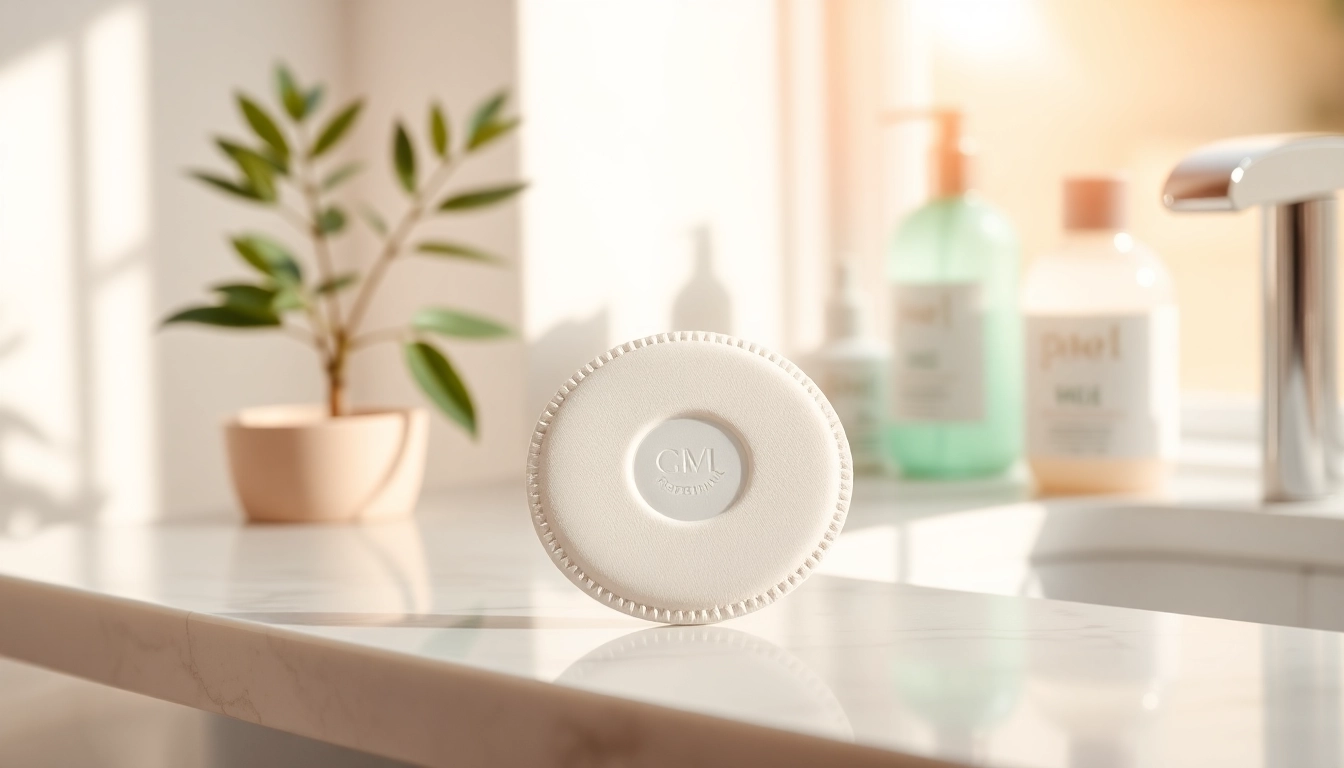
Understanding the Period Disc
What is a Period Disc?
A period disc is an innovative menstrual product designed to be inserted into the vagina, where it collects menstrual fluid in a shallow disc form. Unlike traditional tampons and pads that absorb fluid, a menstrual disc catches and holds the blood, allowing for mess-free periods. Available in both reusable and disposable options, period discs are versatile, comfortable, and cater to a variety of lifestyles and preferences.
Benefits of Using a Period Disc
There are several benefits to using a period disc, making it an appealing choice for many. Firstly, period discs provide flexibility; they can be worn for up to 12 hours without needing to be changed, making them ideal for overnight use. This extended wear time is particularly beneficial for those with heavy flows.
Another benefit is comfort. Since the disc sits higher in the vaginal canal, it often goes unnoticed once inserted, allowing freedom of movement during all daily activities, including exercise and intimacy. This unique placement also minimizes odor, which can be a concern with traditional menstrual products.
Additionally, period discs can help reduce menstrual cramps. Many users report a significant decrease in discomfort, as medical experts suggest that the pressure created by traditional sanitary products can often exacerbate cramping. Moreover, the option for mess-free sex while on your period is an attractive quality for couples looking to maintain intimacy without interruptions.
How Period Disc Compares to Other Products
When comparing the period disc to other menstrual products like pads and tampons, several distinctions emerge. Pads absorb fluid, which can lead to chafing and discomfort, especially during active days. Tampons, while effective, often require more frequent changes and carry the risk of Toxic Shock Syndrome (TSS) if not used properly. In contrast, period discs reduce these risks, offering a more stable and comfortable alternative.
Furthermore, menstrual cups have similarities with period discs; both products are insertable and reusable. However, menstrual cups tend to have a steeper learning curve for insertion and may not suit everyone’s anatomy. The period disc, generally easier to insert due to its softer structure and ergonomic design, might serve as a more user-friendly option for many.
How to Use a Period Disc Effectively
Step-by-Step Insertion Guide
Using a period disc requires a straightforward approach. Here’s a step-by-step insertion guide:
- Wash your hands thoroughly to ensure hygiene.
- Find a comfortable position, whether standing with one leg elevated, squatting, or sitting on the toilet.
- Pinch the sides of the disc to fold it, ensuring a smaller diameter for insertion.
- Insert the folded disc into the vaginal canal, aiming towards the back. It should sit behind your cervix.
- Once inserted, rotate the disc to ensure that it has opened fully and is securely in place.
- After placing the disc, you can check for leakage by feeling for any blood around the rim. If you feel any, it likely needs to be adjusted.
Tips for Cleanliness and Hygiene
Maintaining cleanliness is vital when using a period disc. Here are essential hygiene tips:
- Always wash your hands before and after insertion or removal.
- Use unscented soap to avoid irritation.
- Regularly clean your reusable disc with warm water and antibacterial soap during your period.
- Store the disc in a breathable container, such as a cloth bag or a dedicated case, to avoid bacterial growth.
Common Mistakes to Avoid
While using a period disc is simple, there are common pitfalls users should avoid:
- Not inserting the disc properly can lead to leaks, so ensure it is correctly placed behind the cervix.
- Failing to change the disc regularly may lead to leakage or odor issues.
- Ignoring discomfort could indicate incorrect placement; always adjust if you feel any pressure or irritation.
- Using scented soaps or feminine hygiene sprays can lead to irritation; stick to unscented options.
Selecting the Best Period Disc for Your Needs
Factors to Consider When Choosing
Choosing the right period disc involves considering several factors:
- Material: Look for medical-grade silicone or TPE (thermoplastic elastomer) for comfort and durability.
- Size: Discs come in various sizes, so consider your anatomy and flow to find the best fit.
- Absorbency: Check the product specifications to determine the volume it can hold. Heavy flow users may need high-capacity options.
- Reusable vs. Disposable: Decide if you prefer a more sustainable reusable option or a convenient disposable product.
Different Types of Period Discs
Period discs vary in design and functionality. Among the options available, here are some common types:
- Reusable Discs: Typically made of silicone or TPE, these can last for years with proper care and are more eco-friendly.
- Disposable Discs: Made for single use, these products offer convenience but may not be as environmentally friendly.
- High-Capacity Discs: Specifically designed for heavy flow, these options hold more fluid, providing peace of mind during menstruation.
- Flexible Discs: These discs are designed for those who prefer a more comfortable fit, allowing more movement during daily activities.
User Reviews and Experiences
User experiences can significantly vary depending on anatomy and personal preferences. Many users report positive experiences with period discs, citing comfort, ease of use, and flexibility during activities. On forums and review sites, individuals share stories about transitioning from traditional products to period discs and the changes they encountered.
Some common praise includes reduced cramps and the ability to engage in sexual activity without interruptions. However, a few users experienced difficulties with insertion or removal. It’s essential to keep in mind that each user may react differently, so attempting various products could be beneficial for optimal comfort and protection.
How to Dispose of or Clean Your Period Disc
Reusable vs. Disposable Options
How you manage your period disc will depend on the type you choose. For reusable discs, proper care is crucial. After each cycle, they need to be sanitized, typically boiled for a few minutes or cleaned with a gentle soap. For disposable discs, they should merely be wrapped in toilet paper and thrown in the trash. Never flush them down the toilet as they can cause plumbing issues.
Proper Cleaning Techniques
When cleaning reusable period discs, follow these guidelines for effective sanitation:
- After removing, rinse the disc in cool water to prevent staining.
- Wash the disc with warm water and mild soap; avoid chemical cleaners that could irritate sensitive tissues.
- Boil the disc in water for 5-10 minutes at the end of each cycle for thorough sanitation.
- Store in a clean, breathable pouch until the next use.
Environmental Impact of Period Discs
The environmental effects of menstrual products are significant. Traditional products contribute to landfill waste, taking years to decompose. In contrast, using a reusable period disc can drastically reduce this waste footprint. Moreover, many period discs are made from sustainable materials, emphasizing eco-conscious choices. Before purchasing, consider how your choice aligns with your environmental values.
FAQs About Period Discs
What is the lifespan of a period disc?
The lifespan varies by product type. Reusable period discs can last for several years with proper care, often 5 to 10 years, while disposable discs are single-use only.
Can you sleep with a period disc?
Yes, period discs can be safely worn overnight. They offer up to 12 hours of protection, making them suitable for extended wear while you sleep.
Are period discs safe for all flow types?
Yes, period discs are designed to accommodate all flow types. High-capacity options are available for those with heavier flows, while standard sizes suit lighter flows.
How does a period disc prevent leaks?
Period discs create a seal against the vaginal canal, catching menstrual fluid before it can escape. Proper fitting is essential for preventing leaks.
What should I do if I have trouble inserting it?
If you encounter difficulty inserting the disc, try different positions or use a water-based lubricant. Relaxation is crucial for ease of insertion.