Understanding Self Storage Units
What Are Self Storage Units?
Self storage units are spaces rented by individuals or businesses to store their belongings securely. These units come in various sizes and types, allowing users flexibility based on their specific storage needs. Commonly located in easily accessible areas, self storage units provide an efficient solution for managing personal items, seasonal belongings, or excess inventory for businesses. With increasing urbanization and lifestyle changes, the popularity of self storage units has surged, leading to the development of various facilities catering to unique storage requirements.
Key Features of Self Storage Units
Understanding the features of self storage units can simplify the selection process. Here are some primary characteristics:
- Variety of Sizes: Self storage units range from small lockers to large rooms capable of housing entire households.
- Flexible Rental Terms: Most facilities offer month-to-month leases, ideal for those needing short-term or long-term storage solutions.
- Accessibility: Many storage facilities provide access to units 24/7 or during specified hours, promoting convenience for users.
- Security Measures: Standard security features include gated access, surveillance cameras, and personal locks to ensure that belongings are protected.
- Clean and Well-Maintained Spaces: Professional storage facilities often prioritize cleanliness and maintenance to preserve the condition of stored items.
Benefits of Using Self Storage Units
Utilizing self storage units offers numerous advantages, making them a popular choice among individuals and businesses alike:
- Space Optimization: They free up valuable space in homes or offices by providing a dedicated area for non-essential items.
- Easy Access: Storing items close to home means easy retrieval whenever needed, especially important for seasonal items.
- Temporary Solutions: Ideal for those undergoing life transitions, such as moving or downsizing, ensuring a smooth process.
- Business Storage: They enable businesses to manage inventory or archives without overcrowding retail or office space.
- Affordability: Renting a self storage unit can be more cost-effective than leasing additional commercial space.
Types of Self Storage Units
Climate-Controlled Self Storage Units
Climate-controlled self storage units maintain a consistent temperature and humidity level, which is essential for safeguarding sensitive items like electronics, wood furniture, and important documents. These units prevent damage from temperature fluctuations and moisture, providing an optimal environment that can extend the lifespan of stored goods. Understanding the importance of climate control can protect valuable possessions, making it a worthy investment for those who possess delicate items.
Drive-Up Self Storage Units
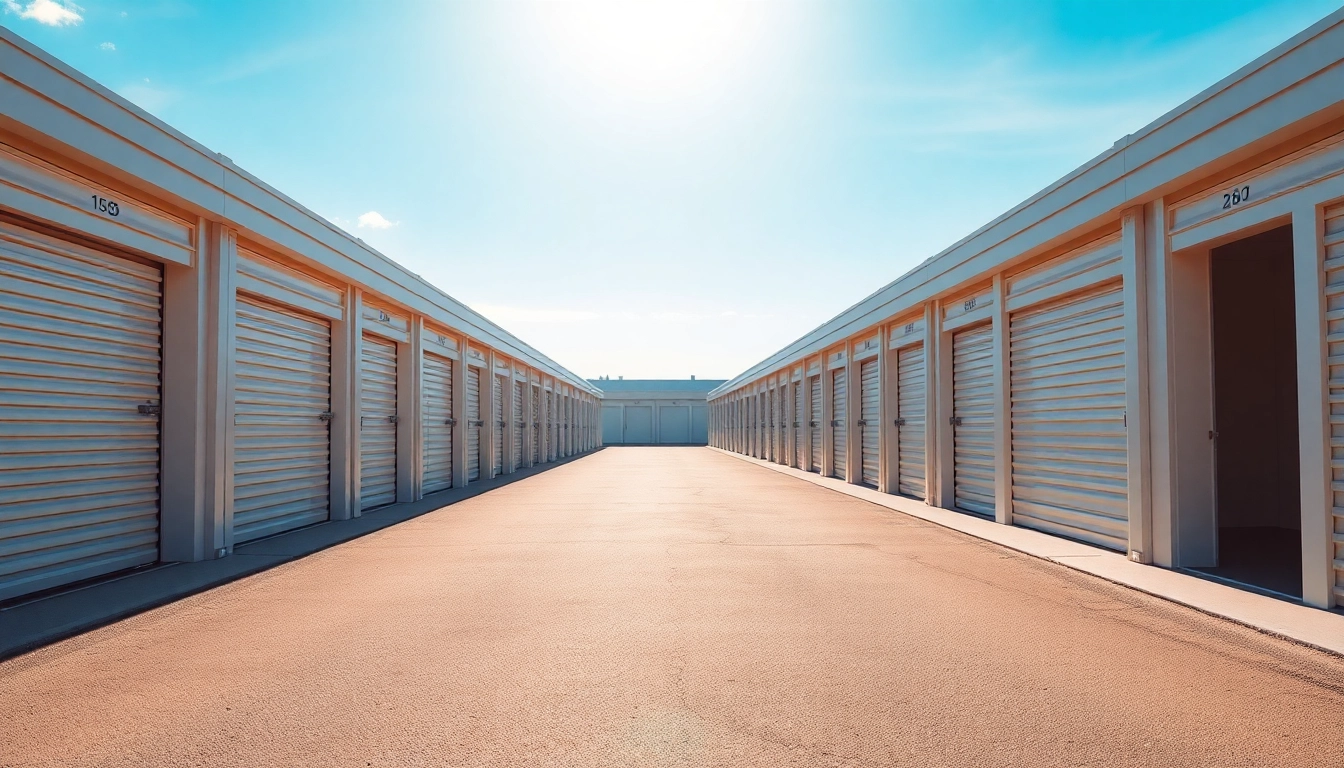
Drive-up self storage units feature exterior doors that allow customers to drive directly to their storage space. This convenience minimizes the hassle of transporting items across long distances within a facility, making it efficient for large or heavy items. Businesses and individuals moving multiple items frequently find drive-up units practical, providing easy access and time savings during the moving process.
Outdoor vs. Indoor Self Storage Units
Self storage units can be categorized as outdoor or indoor. Outdoor units are accessible directly from the outside and often are larger and less expensive. These are suitable for items that are not vulnerable to weather variations. Conversely, indoor units are located within buildings, providing additional protection from the elements and potential security concerns due to increased surveillance. Choosing between outdoor and indoor units depends on the type of items being stored, the level of protection required, and budget considerations.
How to Choose the Right Self Storage Units
Assessing Your Storage Needs
Evaluating your storage requirements is the first step in selecting the appropriate self storage unit. Consider the following:
- Item Size and Quantity: Categorize your items based on size and predict how much space is needed.
- Storage Duration: Think about how long you will need the unit — short-term versus long-term usage can affect the size and type of unit.
- Accessibility and Frequency: Determine how often you will need to access your items; this can influence whether you choose an indoor or outdoor unit.
Location Considerations for Self Storage Units
The location of self storage units plays a critical role in accessibility and convenience. Here are key points to consider:
- Proximity: Look for facilities near your home or workplace to minimize travel time.
- Safety of the Area: Ensure that the location is in a safe neighborhood for your peace of mind when accessing your belongings.
- Traffic Patterns: Consider the busiest times in the area; access may be easier during off-peak hours.
Cost Factors in Self Storage Units
The costs associated with renting self storage units vary based on several factors. It's essential to understand these influences on pricing:
- Size of the Unit: Larger units command higher monthly fees.
- Location: Units in densely populated urban areas may cost more than those in less crowded spaces.
- Accessibility Features: Climate control and round-the-clock access can add to the base rental price.
- Discounts and Promotions: Many facilities offer introductory rates or discounts for long-term commitments; always inquire about available options.
Maximizing Your Self Storage Units Experience
Organizing Your Self Storage Units
Effective organization can enhance the usability of your self storage units, making retrieval easier. Here are some expert tips:
- Label Everything: Clearly labeling boxes and items makes locating possessions a breeze.
- Use Vertical Space: Stacking items safely can maximize space utilization — just ensure you store heavier items at the bottom.
- Create an Inventory: Maintaining a list of stored items can help keep track of your belongings.
- Aisle Space: Leave walkways for easier access to stored items, especially in larger units.
Security Measures for Self Storage Units
The security of self storage units is paramount. Always choose a facility that implements robust security measures:
- Surveillance Cameras: Regular monitoring can deter theft and vandalism.
- Individual Locks: Locking devices on your unit provide an additional layer of security.
- Identity Verification: Ensure the facility maintains strict policies on who can access units.
- Lighting: Well-lit areas deter crime and enhance safety when accessing units after hours.
How to Manage Self Storage Units Efficiently
Efficient management of your self storage units can significantly improve your overall experience. Consider these practices:
- Regular Check-ins: Visit your unit periodically to ensure everything is intact and assess if improvements are needed.
- Keep it Clean: Ensure cleanliness inside your storage unit to prevent pests and mold.
- Know Your Rights: Familiarize yourself with the rental contract and policies to avoid any misunderstandings.
- Plan Ahead: Anticipate future storage needs to avoid last-minute decisions.
FAQs About Self Storage Units
What items can I store in self storage units?
Most items are allowed, but hazardous materials such as chemicals, flammable goods, or perishable food are prohibited.
How do I determine the right size for self storage units?
Consider what you need to store; facilities provide size guides, and assessing your items can help choose appropriately.
Are self storage units climate controlled?
No, not all are climate controlled; facilities offer such units for sensitive items to prevent damage from temperature changes.
What security features are typical for self storage units?
Common features include gated access for entry, surveillance cameras for monitoring, and individual locks for enhanced security.
How do I access my self storage units?
Access is usually available during business hours, with some facilities offering 24/7 access using a key or code.