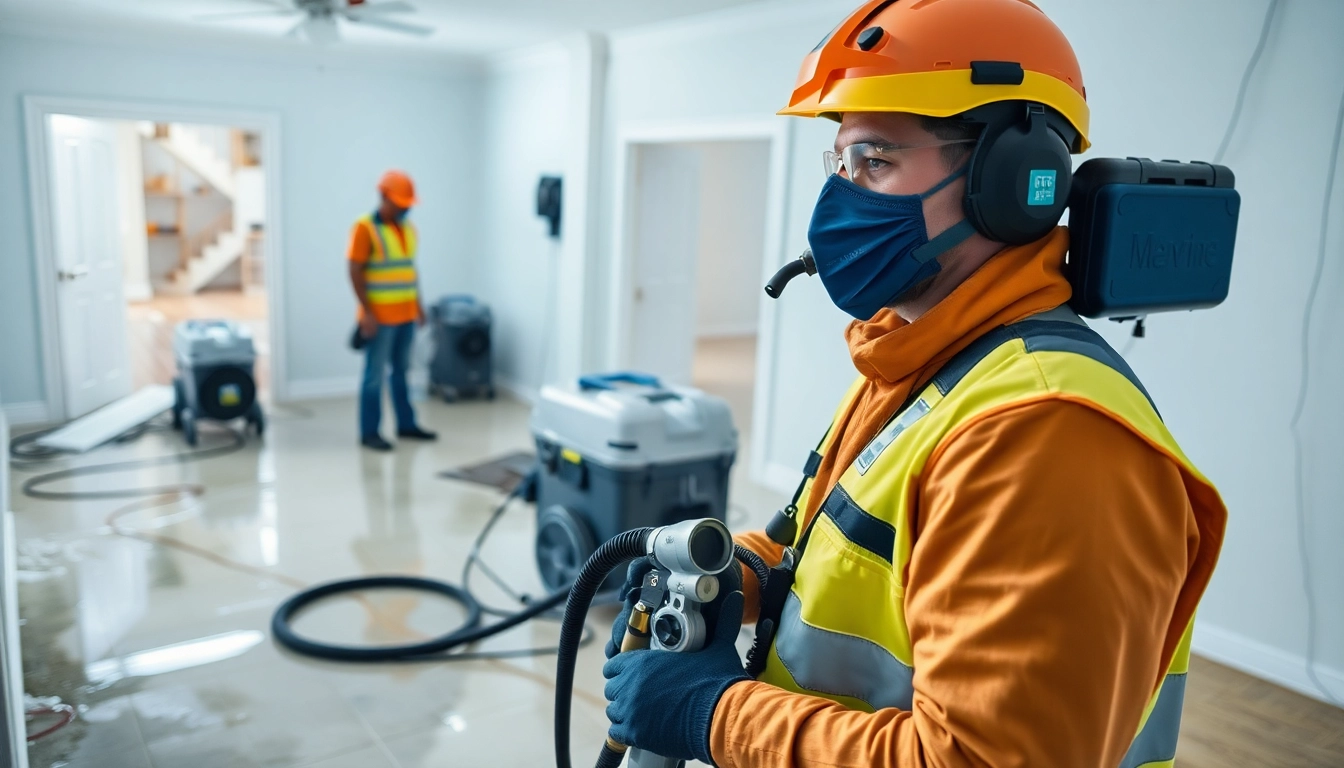
Understanding Emergency Disaster Restoration
In today's unpredictable world, the potential for natural and man-made disasters looms large. Homeowners and property managers alike must face challenges such as water damage, fire outbreaks, and hazardous mold growth. When such unfortunate events occur, knowing how to deal with the aftermath is essential. This is where emergency disaster restoration services come into play. These specialized services ensure that properties are returned to their pre-damage condition swiftly and efficiently.
What is Emergency Disaster Restoration?
Emergency disaster restoration refers to the process of repairing and restoring properties after significant damage due to disasters. These disasters may include fires, flooding, storm damage, mold infestation, and other catastrophic events. Professionals in the field are trained to assess the extent of the damage and implement effective strategies to restore the property while safeguarding public health and safety.
Types of Disasters Covered Under Restoration Services
Emergency disaster restoration services encompass a range of situations. Key types include:
- Water Damage Restoration: This includes damage from floods, leaky roofs, burst pipes, and sewage backups.
- Fire Damage Restoration: Addressing smoke and fire damage, including soot and odor removal.
- Mold Remediation: Involves identifying areas of mold growth, containing it, and removing contaminated materials.
- Storm Damage Repair: Restoration activities in response to severe weather like hurricanes and tornadoes.
- Biohazard Cleanup: Handling hazardous materials or situations, such as hoarding or crime scenes.
The Importance of Immediate Response
Time is of the essence when dealing with property damage. The longer one waits to address issues, such as water accumulation or mold growth, the more severe the damage becomes, leading to costly repairs and health risks. Immediate response not only mitigates damage but can also improve the effectiveness of restoration efforts. Quick action can prevent secondary issues like structural damage or lowered indoor air quality, which could worsen conditions for occupants.
Choosing the Right Disaster Restoration Service
With numerous restoration companies available, selecting the right service provider can be daunting. Understanding what to look for can simplify the decision-making process significantly.
Key Qualities to Look For
When selecting a disaster restoration service, consider these key qualities:
- Experience and Expertise: Look for companies with a solid history and specialized training in restoration services.
- Rapid Response: The ability to mobilize quickly is critical in minimizing damage.
- Comprehensive Services: A company offering a wide range of services can provide a streamlined approach.
- Customer Reviews: Read testimonials and reviews to gauge the trustworthiness and reliability of a service.
Evaluating Company Certifications and Experience
Certifications from recognized industry bodies signify that a restoration company adheres to stringent standards. Verifying credentials, such as IICRC (Institute of Inspection, Cleaning, and Restoration Certification), ensures you are dealing with professionals who understand the latest techniques and safety measures in the field.
Understanding Service Agreements and Pricing
Before committing to a restoration service, ensure that you understand the terms of the service agreement. Many companies offer free estimates, providing clarity on what services will be rendered and at what cost. It's essential to ask about any hidden fees or additional charges to prevent surprises during the restoration process. A transparent pricing model is indicative of a reputable company.
Steps in Emergency Disaster Restoration Process
Effective restoration involves a systematic approach encompassing several critical steps. Understanding these steps can help property owners navigate the restoration process with ease.
Initial Assessment and Damage Control
The first step is a thorough assessment of the damage, identifying areas that require immediate attention. Restoration professionals will perform this assessment, taking photographs and notes that can be used for insurance claims. Once the evaluation is complete, initial damage control measures will be implemented, including securing the property to prevent further losses.
Water Extraction and Drying Techniques
If water damage is involved, the next step is to remove excess water. Advanced equipment like pumps and dehumidifiers is utilized to extract water efficiently. Following extraction, thorough drying is conducted, targeting areas that harbor moisture using specialized drying techniques. This step is critical in preventing the development of mold, which can thrive in moist environments.
Mold Remediation and Cleanup Processes
Should mold be detected during the evaluation, a dedicated mold remediation protocol will be executed. This process includes isolating the affected area, using air filtration systems, and applying non-toxic solutions to remove mold colonies. Effective cleanup ensures that the indoor air quality is restored to healthy levels.
Preventive Measures Before Disaster Strikes
Preparation can greatly minimize the impact of disasters. Educational programs exist around safety audits and insurance preparedness to help property owners take actionable steps prior to any incidents.
Conducting a Home Safety Audit
Regular home safety audits can help identify potential hazards. Inspecting for leaks, ensuring proper insulation, and checking smoke detectors are effective strategies. An audit should also cover exterior elements, like gutters and roofs, to verify their condition and readiness against the elements.
Insulation and Waterproofing Strategies
Implementing effective insulation and waterproofing measures can significantly reduce the risk of water damage. This includes ensuring that basements and crawl spaces are well-constructed and protected against moisture seepage. Additionally, utilizing high-quality sealants and weatherproofing materials for windows and doors can fortify your home against harsh weather conditions.
Emergency Preparedness Planning
An emergency preparedness plan enables families to act swiftly during a disaster. This includes having an emergency kit ready, knowing evacuation routes, and ensuring that all family members understand their roles during an incident. Engaging local authorities or community groups can provide resources and assistance in developing these plans.
Monitoring Progress Post-Restoration
Even after restoration services are complete, ongoing evaluation is essential for maintaining the quality of the property and safeguarding against future issues.
Importance of Follow-Up Inspections
Scheduling follow-up inspections with restoration professionals allows for monitoring the effectiveness of the repairs made. It can uncover hidden issues that might not have been initially visible, ensuring they are addressed promptly.
Client Feedback and Satisfaction Surveys
Encouraging client feedback via surveys aids companies in improving their services and responding to any shortcomings in their restoration processes. This practice fosters transparency and accountability within the industry.
Steps for Future Prevention
Implementing preventive measures uncovered during the follow-up process gives property owners tools to address potential hazards. Continued education on emergency response procedures and property maintenance will help sustain the integrity of homes and businesses over the long term.
FAQs About Emergency Disaster Restoration
What does emergency restoration mean?
Emergency restoration refers to specialized services aimed at repairing and restoring properties after significant damages, such as those from natural disasters or water infiltration.
How long does the restoration process take?
The duration varies significantly based on the type and extent of damage. Simple repairs may take a few days, while extensive restoration could take weeks.
Will my insurance cover disaster restoration costs?
Many homeowners' insurance policies cover parts of disaster restoration expenses. It's advisable to check policy details and consult with your insurance provider for specific coverage.
Can I perform restoration work myself?
While some minor repairs are manageable, significant damage, especially water or fire-related issues, should be handled by professionals to ensure safety and compliance with regulations.
What should I do immediately after a disaster?
Ensure your safety first. Avoid entering hazardous areas, report damages to your insurance provider, and seek professional restoration services as soon as possible.