Understanding Solar System Repair
What is Solar System Repair?
Solar system repair encompasses a range of services dedicated to diagnosing and fixing issues within solar power systems. These repairs may involve addressing both minor and major components, from solar panels and inverters to wiring and mounting structures. The goal is to ensure maximum efficiency and longevity of the solar energy system while minimizing downtime. Proper repair practices not only restore functionality but can also enhance performance, making solar system repair a vital aspect of maintaining a sustainable energy solution.
Common Issues in Solar Systems
Understanding common issues faced by solar systems can help users identify problems early and seek solar system repair when necessary. Among the prevalent problems are:
- Faulty Inverters: As the heart of the solar system, if inverters malfunction, they can significantly reduce output.
- Damaged Panels: Physical damage from environmental factors—such as hail or branches—can compromise panel efficiency.
- Wiring Issues: Faulty connections or damaged wires can lead to power losses and unsafe conditions.
- Microinverter Problems: Individual microinverters can encounter localized issues, impacting only specific panels.
- System Design Flaws: Improper installation or adjustments can hinder optimal performance.
Benefits of Timely Repairs
Addressing repair needs promptly offers various advantages, including:
- Improved Efficiency: Timely repairs restore optimal system performance, ensuring maximum energy production.
- Cost Savings: Early detection of issues can prevent further damage, avoiding steep repair costs down the line.
- Extended System Lifespan: Regular maintenance and timely repairs help prolong the lifespan of components.
- Enhanced Safety: Regular checks and repairs minimize risks of electrical hazards and fires.
Evaluating Repair Needs
Signs Your Solar System Needs Repair
Vacuuming through your solar system for troubles can save future headaches. Watch for these indicators:
- Declining Energy Production: Noticeable drops in energy output compared to previous performance.
- Warning Lights: Presence of indicator lights on the inverter signaling issues.
- Physical Damage: Visible signs of wear or damage on solar panels.
- Poor Performance during Testing: Performance checks reveal low output or inconsistent power generation.
How to Assess Damage
Assessing damage can be straightforward with some technical knowledge. Here’s how to proceed:
- Visual Inspection: Conduct a thorough check for cracks, discoloration, and dirt accumulation on panels.
- Monitor Output: Use your monitoring system to track energy production and compare it with historical data.
- Conduct Functional Tests: Use multimeters to check the voltage outputs from panels and inverters.
- Consult Professionals: If in doubt, reach out to qualified technicians for detailed inspections.
Cost Considerations for Solar System Repair
The costs involved in solar system repair vary based on factors such as:
- Type of Repair Needed: Minor repairs can cost less than major component replacements.
- Labor Costs: Charges differ based on company services and geographical location.
- Accessibility: Hard-to-reach installations may require additional labor costs.
Tools and Techniques for Effective Repairs
Essential Tools for Solar System Repair
Having the right tools at your disposal makes all the difference in successful repairs. Here’s a basic toolkit:
- Multimeter: For electrical testing of currents and voltage.
- Wrenches and Socket Sets: For securing or disconnecting hardware.
- Wire Strippers: Needed for handling and replacing damaged wiring.
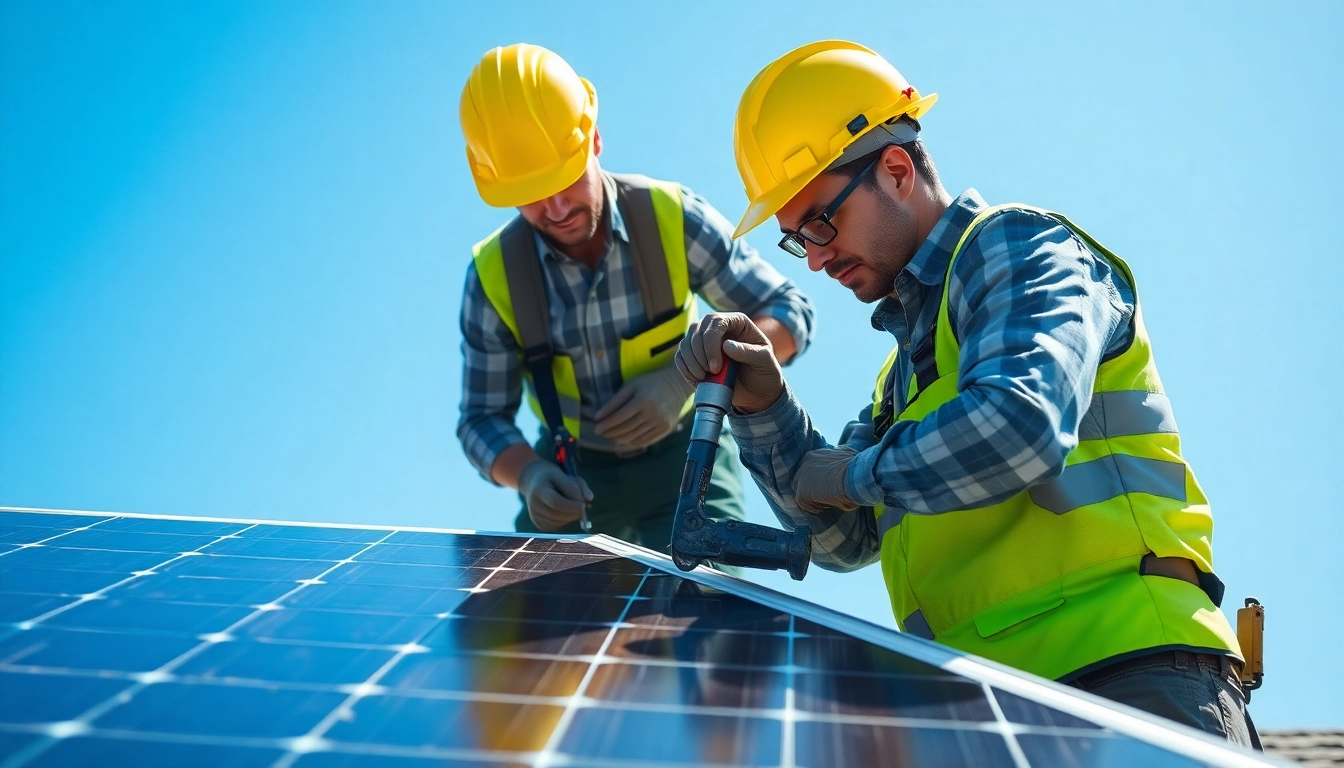
- Safety Gear: Hard hats, gloves, and safety glasses should always be worn.
Common Repair Techniques
Implementing the right repair techniques is crucial. Here are several approaches:
- Panel Replacement: When a solar panel is irreparably damaged, replacement is necessary.
- Wiring Fixes: Repair damaged wiring or replace connectors for optimal performance.
- Inverter Reset or Replacement: Sometimes, a simple reset can fix inverter issues, or it might require full replacement.
Safety Protocols During Repair
Safety should be a priority during solar system repairs, particularly when working with electrical components. Follow these guidelines:
- Shut Off Power: Always switch off the entire solar power system before starting any repair work.
- Use Proper Gear: Protective gear, including gloves and helmets, can prevent personal injuries.
- Work with a Partner: Having someone nearby can provide assistance if needed.
- Follow Instruction Manuals: Always refer to manufacturer manuals when handling specific repairs.
Finding Professional Help
When to Call a Professional
There are instances when it's best to rely on experts for solar system repairs:
- Complex Issues: If the problem is beyond your skill level or requires specialized equipment.
- Inverter Replacement: Professionals are qualified to safely handle installations of replacement inverters.
- Safety Concerns: If you’re not comfortable working at heights or with electricity, it’s best to avoid DIY.
Choosing the Right Service Provider
Selecting a reputable service provider can ensure quality repairs. Consider these factors:
- Experience: Choose companies with a proven track record in solar system repairs.
- Credentials: Verify that technicians are certified and trained in solar energy systems.
- Reviews: Check customer testimonials for service quality and reliability.
Preparing for a Repair Appointment
Getting ready for a scheduled repair can expedite the process:
- Provide Access: Ensure easy access to the solar installation area for technicians.
- Share History: Inform technicians of observed problems and any relevant system history.
- Clear the Area: Remove any obstructions or hazards from the repair site.
Maintaining Your Solar System Post-Repair
Regular Maintenance Tips
Regular maintenance promotes longevity and efficiency. Here are critical tips:
- Routine Inspections: Schedule annual professional inspections for thorough assessments.
- Clean Panels: Dirt can reduce efficiency. Clean or arrange for regular cleaning of panels.
- Monitor Performance: Utilize monitoring systems to keep track of energy output.
Monitoring System Performance
Performance monitoring allows for timely detection of issues:
- Use Monitoring Devices: Monitor output using apps or software paired with your solar system.
- Set Up Alerts: Utilize alerts for performance drops to address potential issues immediately.
- Compare Historical Data: Evaluate current performance against historical metrics.
Long-Term Benefits of Proper Care
Investing in consistent maintenance and repairs yields numerous long-term advantages:
- Increased Efficiency: Well-maintained systems consistently perform at optimal levels.
- Cost-Effectiveness: Reducing risks of major repairs translates to long-term savings.
- Sustainability: You contribute positively toward environmental conservation and renewable energy adoption.
FAQs about Solar System Repair
1. Can solar systems be repaired?
Yes, many solar panel issues can be repaired, particularly minor cracks, faulty wiring, and inverter faults. A qualified technician can assess the damage and advise accordingly.
2. How often should I inspect my solar system?
It is recommended to inspect your solar system annually. Additional checks after severe weather events can be beneficial for identifying potential issues early.
3. What are the signs of a failing inverter?
Common signs include a drop in energy production, warning lights on the inverter, and unusual noises. Monitoring output can also help pinpoint inverter issues.
4. Is cleaning solar panels necessary?
Yes, cleaning is essential, as dirt, dust, and debris can accumulate and hinder efficiency. Regular maintenance can ensure optimal performance.
5. How much does solar system repair typically cost?
Repair costs can vary widely depending on the issue and location. Minor repairs might cost a few hundred dollars, while major component replacements can run into the thousands.