Understanding Containerized Wastewater Treatment Systems
In an era where water scarcity and environmental consciousness are at the forefront of global concerns, efficient management of wastewater has become more critical than ever. Containerized wastewater treatment systems represent an innovative solution, providing a practical, cost-effective approach to tackling various wastewater challenges. These modular systems are designed to deliver rapid, reliable treatment in a compact format, catering to diverse needs from domestic sewage to complex industrial effluent.
What is Containerized Wastewater Treatment?
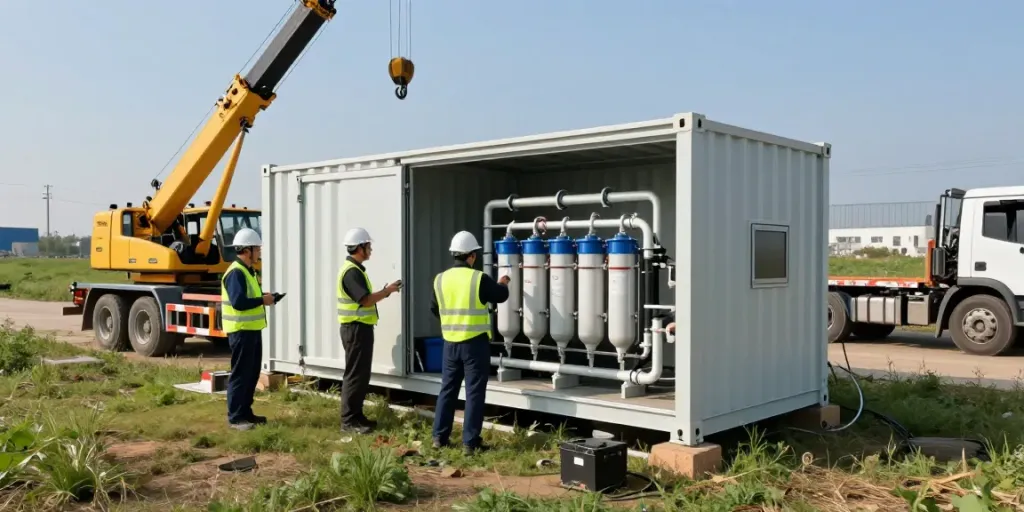
Containerized wastewater treatment refers to the process of treating sewage and wastewater using pre-engineered treatment systems that are housed within standard shipping containers. These systems can be deployed quickly and efficiently, making them ideal for locations where infrastructure is limited or in situations requiring urgent intervention. The self-contained nature of these units allows for easy transport and installation, minimizing downtime.
Components of Containerized Systems
Typically comprised of various advanced treatment technologies, containerized systems generally include:
- Screening Units: To remove larger solids and debris before treatment.
- Primary Treatment Systems: Often utilizing sedimentation or flotation methods to separate solids from liquids.
- Biological Treatment Modules: Employing activated sludge or biofilm processes to biodegrade organic matter.
- Disinfection Equipment: Such as UV treatment or chlorination to eliminate pathogens before discharge.
- Control and Monitoring Systems: To ensure optimal operation and compliance with environmental standards.
Advantages over Traditional Treatment Methods
Containerized wastewater treatment systems offer numerous advantages compared to traditional methods:
- Modularity: Their design allows for easy scaling and adaptability, making them suitable for varying capacities.
- Rapid Deployment: Installation can typically be completed within days, minimizing disruption.
- Cost-Effectiveness: Reduced labor and infrastructure costs due to pre-engineered solutions.
- Flexibility: Ideal for temporary or remote locations, including construction sites, disaster relief scenarios, and mobile applications.
- Environmental Compliance: Designed to meet or exceed regulatory requirements for effluent quality.
Application Scenarios for Containerized Solutions
Containerized wastewater treatment solutions can be effectively employed in various contexts, including:
Domestic Wastewater Treatment
Residential areas, particularly in remote locations, can benefit significantly from these systems. By providing a decentralized solution for managing sewage, containerized treatment plants help prevent environmental pollution and public health hazards.
Industrial Effluent Management
Industries create diverse waste streams, often requiring tailored treatment approaches. Containerized systems can be customized to handle specific contaminants, ensuring compliance with local discharge regulations while allowing companies to benefit from streamlined operations.
Emergency Response and Disaster Relief
Natural disasters often disrupt existing wastewater infrastructure, leading to severe public health risks. Containerized units can be deployed rapidly in affected areas to restore sanitation services and mitigate environmental impacts.
Deployment and Installation Process
Understanding the deployment of containerized wastewater treatment systems is crucial for ensuring successful implementation. Key components of this process include site preparation, logistics, and installation.
Site Preparation and Requirements
Before installation, thorough site assessment is necessary to identify suitable locations with adequate space and access. Key considerations include:
- Access for transport vehicles.
- Provisions for utilities such as water and electricity.
- Environmental factors, including local regulations and potential environmental impacts.
Transport Logistics of Containerized Units
Containerized systems are designed for standard shipping methods. Transportation usually involves flatbed trucks and requires minimal equipment for handling. Proper logistics planning is essential to reduce delivery times and costs.
Installation Steps and Timeline
The actual setup typically involves the following steps:
- Unloading the container on-site.
- Connecting to onboard utilities (water, electricity, etc.).
- Running system diagnostics to ensure all components are functional.
- Training personnel for system operation and maintenance.
Overall, installation can be completed in as little as one to two days, depending on site readiness and system specifications.
Compliance and Regulatory Standards
Ensuring that containerized wastewater treatment systems meet all regulatory requirements is essential for successful operation. This involves several key measures.
Environmental Compliance Measures
Compliance with environmental regulations is critical to avoid penalties and protect public health. Containerized systems must adhere to local discharge limits for pollutants, which may involve regular monitoring and reporting.
Industry Best Practices
Implementing best practices in operation, maintenance, and monitoring enhances system reliability and performance. Regular training, documentation, and preventative maintenance are crucial for sustaining optimal function.
Certifications and Approvals
Obtaining necessary certifications from relevant authorities ensures that the system is compliant with national and international standards, thereby instilling confidence in customers and end-users.
Future Trends in Wastewater Treatment Technology
The future of wastewater treatment technology is driven by innovation, sustainability, and increased efficiency. Key trends include:
Innovations in Modular Solutions
Advancements in technology are leading to more efficient, compact, and affordable containerized systems. Innovations such as improved biological treatment methods and automation are set to enhance system capabilities.
Sustainability in Wastewater Management
As sustainability gains traction, there is an increasing focus on energy-efficient solutions and water reuse capabilities. Containerized systems are adapting to incorporate green technologies that reduce environmental footprints.
Projections for 2026 and Beyond
Looking forward, the demand for containerized wastewater treatment solutions will likely increase, driven by urbanization, regulatory pressures, and the need for resilient infrastructure. As technology evolves, these systems will become even more sophisticated and versatile.
What is a containerized wastewater treatment plant?
A containerized wastewater treatment plant is a compact and modular treatment facility designed to treat sewage and industrial effluents within a containerized unit, enabling rapid deployment and ease of transport.
How much does an HSTP system cost?
The cost of a containerized wastewater treatment system varies significantly based on its size, technology, and specific requirements, typically ranging from tens of thousands to several hundred thousand dollars.
What are the three types of wastewater treatment?
The three primary types of wastewater treatment include primary treatment (physical processes), secondary treatment (biological processes), and tertiary treatment (advanced treatment processes for further purification).
Can we drink STP water?
Sewage Treatment Plant (STP) water is not directly drinkable. However, treated effluent can be further purified through advanced filtration and disinfection processes to meet potable water standards.
What are the advantages of modular wastewater systems?
Modular wastewater systems offer flexibility, rapid deployment, scalability, and cost savings, making them suitable for various applications and responsive to changing environmental conditions.