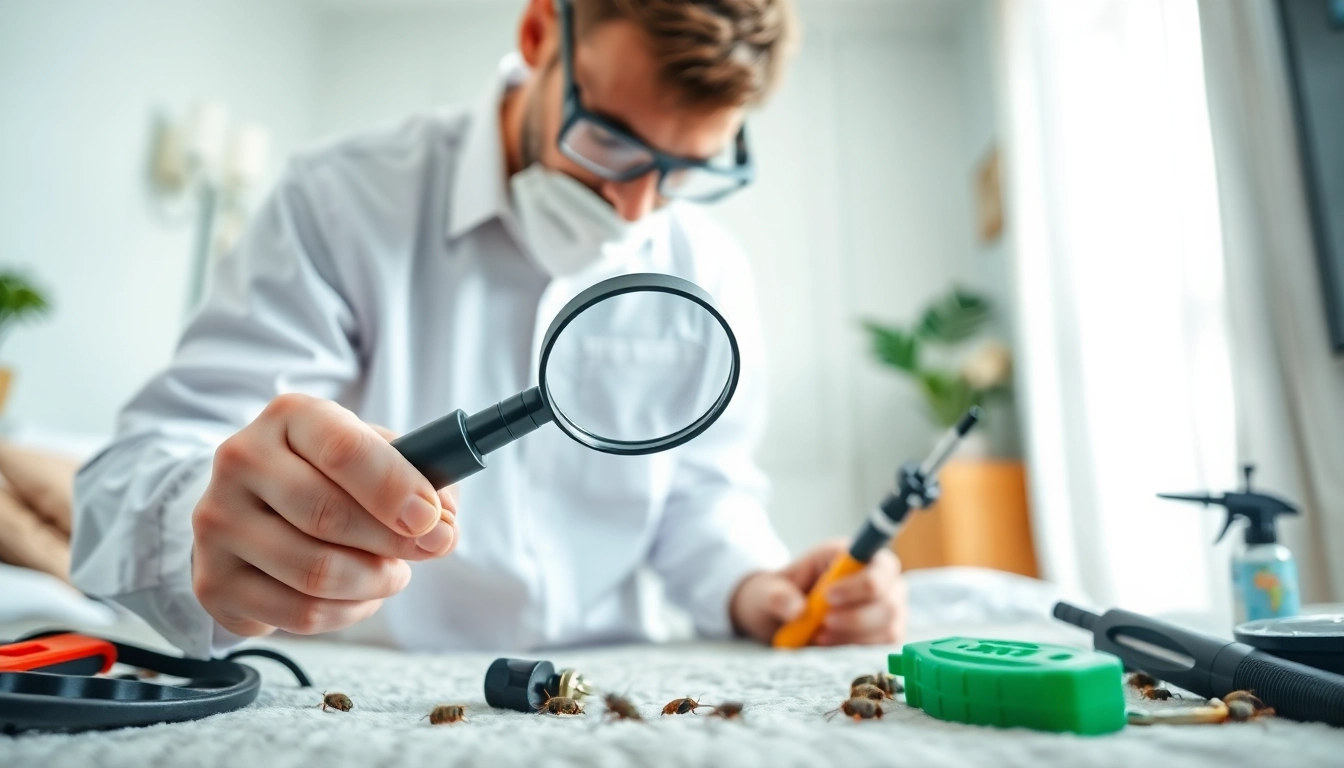
Understanding Bed Bug Infestations
What Are Bed Bugs?
Bed bugs are small, brownish insects that feed on the blood of humans and animals while they sleep. Adult bed bugs are about the size of an apple seed, measuring approximately 5-7 mm in length, with oval bodies. Their flat shape allows them to hide easily in cracks and crevices, making them difficult to detect until a substantial infestation has occurred. Bed bugs are not known to transmit diseases, but their bites can cause significant discomfort and allergic reactions in some individuals.
How Bed Bugs Spread
Bed bugs are expert hitchhikers. They can be found in hotels, hostels, movie theaters, and public transportation, often clinging to clothing, bags, and furniture. They spread from one location to another when items that harbor them are transported. Even a single bed bug can lead to a full-blown infestation if not addressed promptly. Understanding their behavior is crucial to developing effective bed bug pest control strategies.
Signs of Infestation
Detecting a bed bug infestation early can save you time and money. Common signs include:
- Visible bed bugs or their shed skins.
- Dark spots on mattresses or bedding, which are dried excrement.
- Bites on the skin that appear in clusters, typically in the morning.
- Bed bug eggs and egg casings, which are tiny and often hidden in seams and folds.
Bed Bug Pest Control Methods
Chemical Treatments
Chemical treatments involve using pesticides specifically formulated to eliminate bed bugs. These treatments can effectively kill bed bugs on contact and continue working to eliminate any that come into contact with treated surfaces later. It's essential to choose products approved by pest control agencies and to follow application directions meticulously to ensure safety and effectiveness. Chemical options may include:
- Pyrethroids: Synthetic chemicals that are highly effective.
- Insect Growth Regulators (IGRs): Devices that prevent bed bug eggs from maturing.
- Desiccants: Chemicals that dry out bed bugs and their eggs, leading to dehydration.
Non-Chemical Treatments
Non-chemical treatments can be effective alone or as part of an integrated pest management approach. Some of these methods include:
- Heat Treatment: Heating infested areas to a temperature of at least 120°F kills all life stages of bed bugs.
- Steam Treatment: Using steam to eliminate bed bugs in hard-to-reach areas.
- Vacuuming: Regularly vacuuming upholstered furniture, cracks, and floors to physically remove bed bugs.
- Encasements: Special mattress and box spring encasements that prevent bed bugs from entering or escaping.
Integrative Pest Management
Integrative pest management (IPM) involves a comprehensive approach that combines various methods for bed bug control. This likely includes:
- Inspection and Monitoring: Regular inspections to gauge bed bug populations and identify hotspots.
- Education: Understanding bed bug behaviors and prevention methods to reduce exposure.
- Sustainable Practices: Using environmentally friendly methods whenever possible while ensuring effectiveness.
DIY Bed Bug Pest Control Techniques
Home Remedies That Work
Many homeowners prefer to attempt a DIY approach before seeking professional help. Some effective home remedies include:
- Using a vacuum followed by steam cleaning to remove bed bugs.
- Washing bedding and clothing in hot water (at least 120°F) to kill bugs and eggs.
- Using baking soda, which can dehydrate bed bugs when applied to affected areas.
When to Call a Professional
If the infestation persists despite your best efforts, it may be time to call in professionals. Indicators include:
- Rapidly increasing sightings.
- Returning infestations despite treatment.
- Persistent skin reactions despite preventive measures.
Preparing Your Home for Treatments
Proper preparation can significantly enhance the effectiveness of bed bug treatments. You may need to:
- Remove clutter where bed bugs hide.
- Strip bedding and wash items in hot water.
- Seal cracks in furniture and floorboards to limit bed bug hiding places.
Cost Considerations for Bed Bug Pest Control
Average Treatment Costs
The cost of bed bug treatment can vary widely based on several factors, including the size of the infestation and the treatment method chosen. Average costs can range from $250 to $1,500. Heat treatments tend to be on the higher end, while chemical applications may be more economical. Remember, treating for bed bugs often requires multiple visits, increasing total expenditure.
Factors Affecting Pricing
Several factors can influence the cost of bed bug pest control:
- Severity of infestation: A more severe infestation will require more extensive treatment.
- Size of the property: Larger homes may incur higher costs due to increased time and materials.
- Geographic location: Prices can vary significantly based on local living costs.
Long-Term Investment in Prevention
Investing in preventive measures can save money in the long run. Consider scheduling regular pest examinations, using protective mattress encasements, and implementing heat treatments if you travel often or live in high-risk areas.
FAQs About Bed Bug Pest Control
Can I Get Rid of Bed Bugs by Myself?
While DIY methods can be effective for minor infestations, severe cases often need professional treatment. Bed bugs can reproduce quickly; thus, addressing them promptly is crucial.
How Long Does Bed Bug Treatment Take?
The duration of bed bug treatment varies based on the extent of the infestation and the chosen method. Expect 1-3 weeks for chemical treatments and 1-2 days for heat treatments.
What Should I Do After Treatment?
After treatment, continue monitoring for signs of bed bugs. Keep your home clean, vacuum regularly, and consider follow-up treatments to ensure they've been eradicated.
Are Bed Bugs Dangerous to My Health?
Bed bugs are not known to transmit diseases but can cause discomfort, irritation, and anxiety. In some cases, excess scratching can lead to secondary infections.
How Often Should I Check for Bed Bugs?
Regular inspections, at least quarterly and after travel, are recommended. Education about their signs helps catch infestations early before they escalate.