Understanding Double Glazed Windows
What Are Double Glazed Windows?
Double glazed windows consist of two panes of glass, separated by a space filled with either air or gas. This configuration significantly improves the insulation of a building compared to single-pane windows. Essentially, double glazed windows are designed to reduce heat loss and block outside noise, making them ideal for a variety of climates and settings.
How Double Glazed Windows Work
The primary advantage of double glazed windows lies in their construction. The two panes of glass create an insulating barrier that reduces thermal transfer—this is particularly crucial for energy efficiency. Between the panes, inert gases like argon or krypton may be used to increase insulation and reduce condensation. These designs help maintain a more consistent indoor temperature, which equates to lower energy bills over time.
Common Types of Double Glazed Windows
There are several types of double glazed windows available, each designed for specific functionalities and aesthetics:
- Casement Windows: Windows that are hinged on one side and open outward, allowing for excellent ventilation.
- Sash Windows: Traditional windows that slide vertically or horizontally, common in period properties.
- Fixed Windows: Non-opening windows that are ideal for maximizing views and natural light.
- Sliding Windows: Windows that slide open without hinges, providing easy access and a modern look.
Benefits of Double Glazed Windows
Energy Efficiency and Cost Savings
One of the most compelling reasons to invest in double glazed windows is their energy efficiency. By reducing the heat loss by up to 50%, homeowners can experience significant reductions in heating bills, often recovering their initial investment over time through lower energy costs. Additionally, many regions offer incentives for upgrading to energy-efficient windows, making these upgrades financially appealing.
Noise Reduction and Comfort
Living in a noisy environment can be challenging, but double glazed windows significantly diminish outside noise, enhancing comfort at home. This is particularly beneficial for homes located near busy streets or urban areas. The insulating layer not only keeps the cold air out but also muffles sound, contributing to a peaceful living environment.
Security Features of Double Glazed Windows
The design of double glazed windows also contributes to enhanced security. The dual layers of glass are more difficult to break than a single pane, providing an additional barrier against potential intruders. Many double glazed windows come equipped with multi-point locking systems, further increasing home security.
Choosing the Right Double Glazed Windows
Factors to Consider When Selecting
When choosing double glazed windows, several factors need consideration:
- Energy Ratings: Look for windows with a high energy efficiency rating to maximize savings.
- Frame Material: Choose materials such as uPVC, aluminum, or wood based on durability, maintenance needs, and aesthetics.
- Style and Configuration: Ensure the style complements your home’s architecture.
Frame Materials and Styles
The material of the window frame significantly influences both aesthetics and performance. Common frame materials include:
- uPVC: Durable and low-maintenance, uPVC is also cost-effective.
- Aluminum: Offers a modern look and is strong but may require insulation enhancements.
- Wood: Provides excellent insulation and aesthetic appeal but needs more upkeep.
Installation Considerations
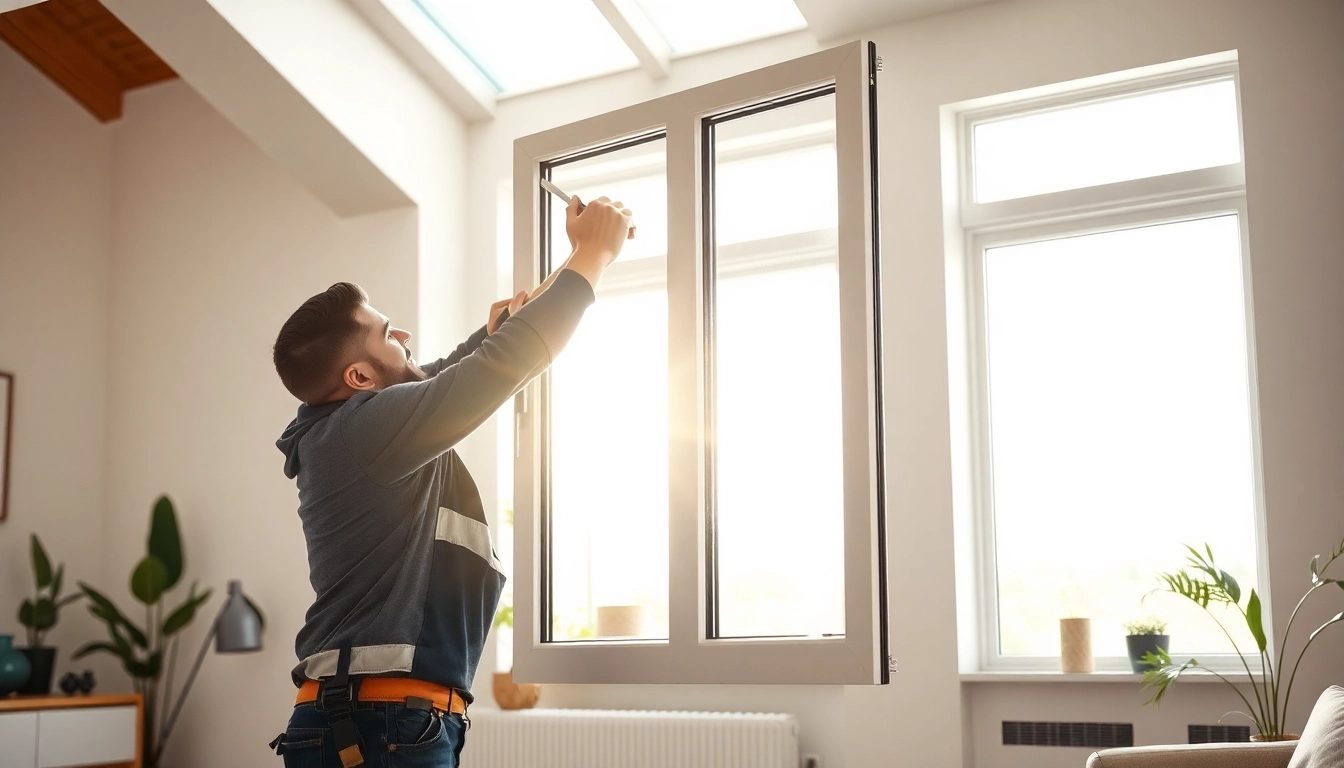
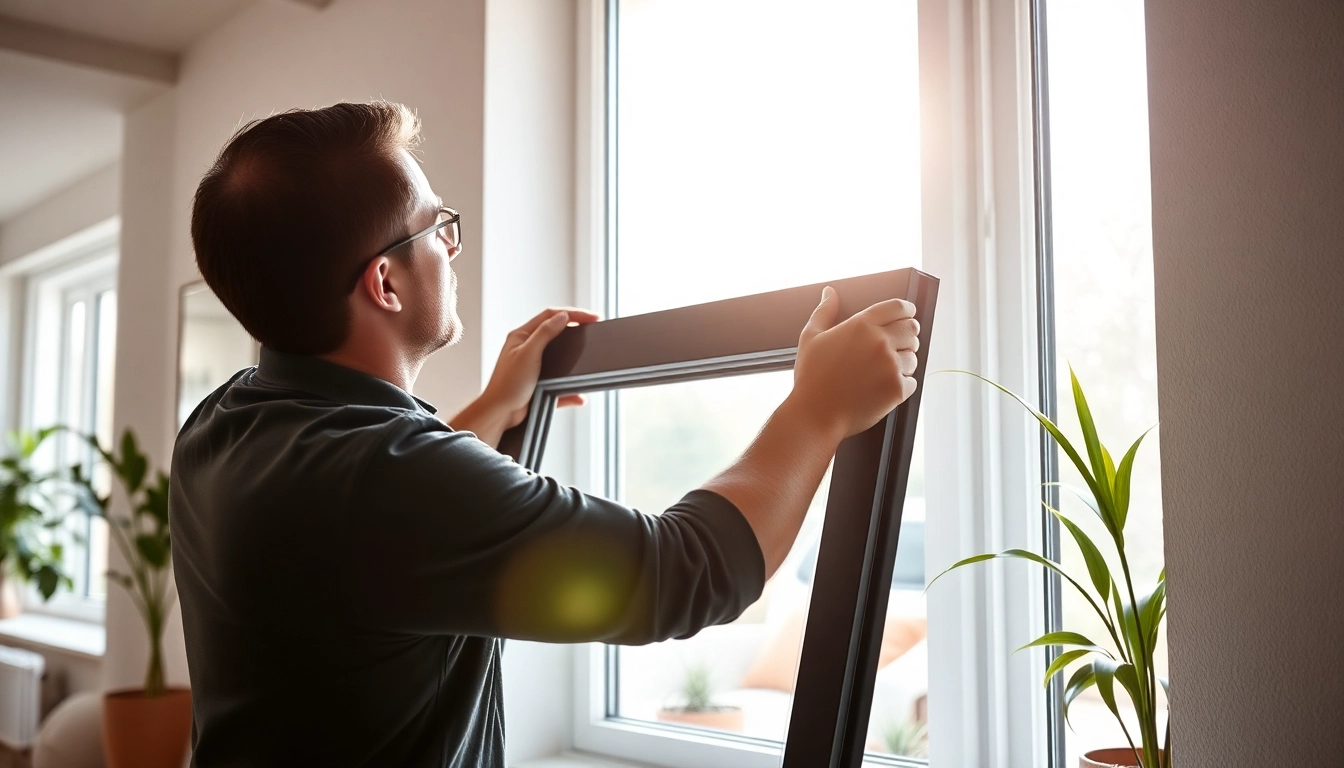
Proper installation is crucial to maximize the benefits of double glazed windows. Ensure that professionals handle the installation to prevent any potential issues with air leaks or poor sealing. Additionally, consider the timing of installation; window replacements are often easiest during dry seasons.
Maintenance and Care for Double Glazed Windows
Routine Cleaning and Inspection
To maintain optimal performance, regular cleaning of double glazed windows is essential. Use a gentle glass cleaner and a soft cloth to avoid scratching. Additionally, inspect the seals and frames periodically for any signs of wear or damage.
Sustaining Energy Efficiency
Keeping double glazed windows energy-efficient involves ensuring that the seals remain intact over time. If you notice any drafts or condensation between the panes, consult with a professional. Regular maintenance can prolong the lifespan of your windows and continue to yield savings on energy bills.
Common Issues and Troubleshooting
Some common issues with double glazed windows include condensation buildup, drafts, or difficulty opening and closing. Troubleshooting often involves checking seals or cleaning channels. In severe cases, you may need to replace the window unit entirely.
FAQs About Double Glazed Windows
What are the disadvantages of double glazed windows?
Disadvantages may include higher initial costs, potential for trapped heat leading to overheating in summer, and difficulty in repairs if a pane breaks.
How much should a double glazed window cost?
The cost varies significantly based on multiple factors, including size, type, and material. On average, costs range between £700 to £1,800 per unit for uPVC windows.
What's the difference between double pane and double glazed windows?
There is no substantial difference, as both terms reflect the same technology. Double glazed windows commonly feature two panes of glass.
Do double glazed windows reduce noise?
Yes, double glazed windows can significantly reduce outside noise, improving comfort in homes located in noisy areas.
How long do double glazed windows last?
With proper maintenance, double glazed windows can last anywhere from 20 to 35 years, making them a long-term investment.