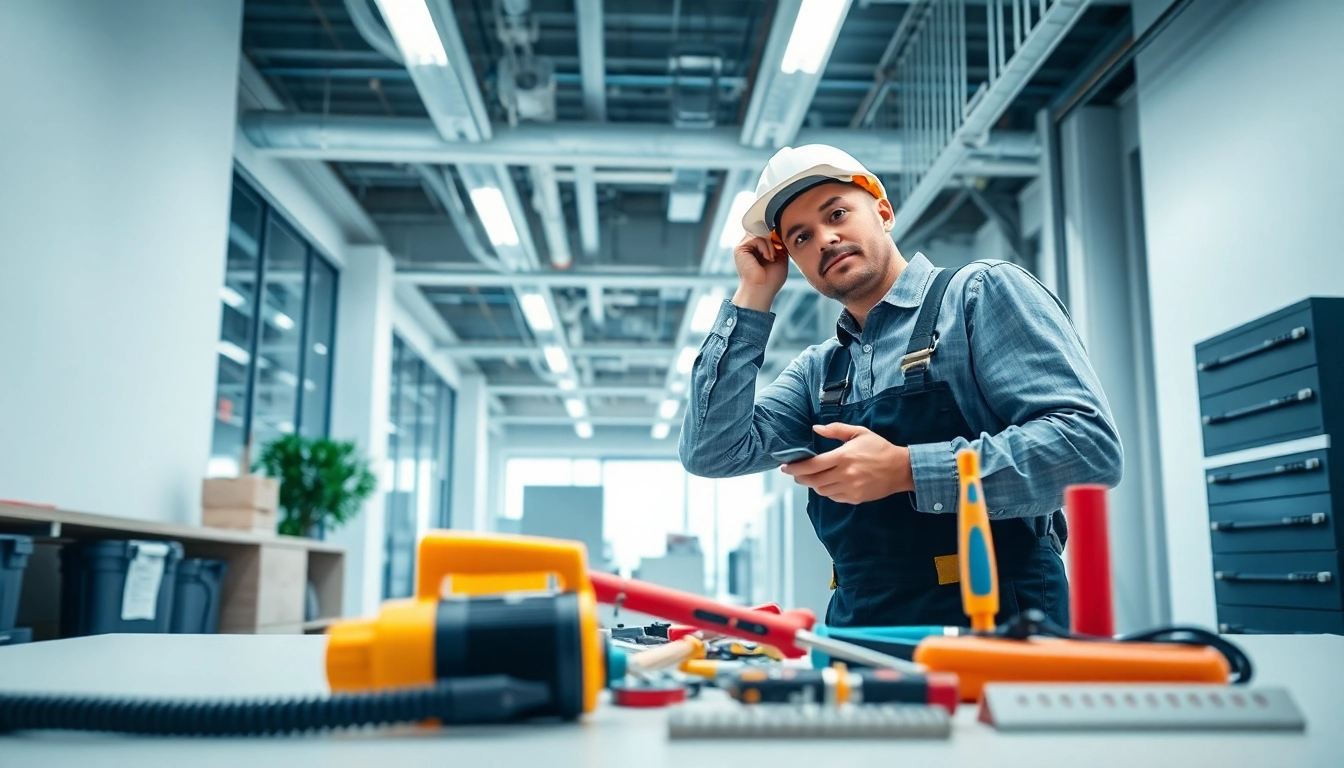
Understanding Commercial Electrical Maintenance
What is Commercial Electrical Maintenance?
Commercial electrical maintenance refers to the routine and systematic upkeep of electrical systems in commercial establishments. It encompasses a variety of tasks aimed at keeping electrical systems functioning optimally, ensuring safety, and complying with necessary regulations. These systems include lighting, power distribution networks, heating, ventilation, and air conditioning (HVAC) systems, among others. Regular commercial electrical maintenance is essential to prevent unexpected failures and prolong the lifespan of the electrical infrastructure.
Importance of Regular Maintenance
The regular maintenance of electrical systems cannot be overstated. First and foremost, it significantly enhances safety within a commercial environment, reducing the risk of electrical fires and workplace accidents. Furthermore, consistent maintenance contributes to energy efficiency, minimizing utility bills and environmental impact. Finally, establishing a maintenance routine often translates to cost savings over time, as it helps identify and rectify minor issues before they develop into substantial problems requiring expensive repairs.
Key Terminology and Concepts
Understanding commercial electrical maintenance involves grasping some critical terms and concepts:
- Preventive Maintenance: Scheduled maintenance designed to prevent breakdowns before they occur.
- Reactive Maintenance: Repairs that occur after a failure, often at an increased cost.
- Load Testing: Evaluating electrical systems under actual load conditions to ensure performance.
- Electrical Codes: Regulations that dictate safe electrical installation and maintenance practices.
Common Issues in Commercial Electrical Systems
Identifying Electrical Failures
Electrical failures can manifest in various forms, from flickering lights to complete outages. Common signs may include:
- Frequent circuit breaker tripping.
- Unusual noises from electrical panels or equipment.
- Burnt out light fixtures or bulbs.
- Odors of burning or overheating plastic.
Identifying these issues swiftly is key to ensuring business continuity and safety.
Preventive Maintenance vs. Reactive Maintenance
Preventive maintenance focuses on proactively addressing potential issues, whereas reactive maintenance deals with fixings that arise after a problem occurs. The benefits of preventive maintenance are numerous, including reduced downtime, extended lifespan of electrical assets, and diminished repair costs. In contrast, relying solely on reactive maintenance can lead to severe disruptions and increased expenses, ultimately affecting profitability.
Impact of Neglecting Maintenance
Neglecting electrical maintenance can have serious repercussions. These include:
- Increased risk of electrical fires.
- Higher energy bills due to inefficient operation.
- Frequent equipment failures leading to downtime.
- Legal consequences from failing to meet safety codes and regulations.
Best Practices for Electrical Maintenance
Scheduled Inspections and Audits
Establishing a robust schedule for inspections and audits is pivotal. Regularly inspecting electrical systems allows businesses to discover hazardous conditions and inefficiencies early. This includes checking for loose connections, signs of wear, and ensuring compliance with electrical codes. A comprehensive audit can uncover areas for improvement, fostering a safe and efficient workplace.
Training Staff on Safety Protocols
Investing in staff training regarding electrical safety protocols is essential for minimizing risk. Employees should understand the basics of electrical safety, such as recognizing hazards, understanding emergency procedures, and knowing when to call in a professional. Regular safety drills and refreshers can cultivate a culture of safety and awareness in the workplace.
Using Technology in Maintenance
Technology plays a crucial role in modernized maintenance practices. Tools such as thermographic cameras can identify hot spots in electrical systems, while online monitoring can help track the performance and reliability of equipment in real-time. By leveraging technology, businesses can enhance their maintenance strategies, ensure resource allocation is efficient, and improve overall system reliability.
Coding and Compliance in Electrical Maintenance
Understanding Local Electrical Codes
Local electrical codes provide guidelines that must be adhered to during installation and maintenance practices. These codes are established to guarantee the safety and efficiency of electrical systems. Understanding and compliance with these regulations not only prevents potential hazards but also protects businesses from legal consequences and finances tied to non-compliance.
Documentation and Reporting Requirements
Thorough documentation and reporting are integral aspects of commercial electrical maintenance. Keeping accurate records of inspections, repairs, and system performance ensures that businesses adhere to compliance regulations. Well-documented maintenance logs can be invaluable during audits and can assist in identifying patterns that may signal the need for more extensive intervention.
Health and Safety Regulations
Health and safety regulations govern electrical maintenance practices aimed at minimizing risks. Companies are obliged to implement safety standards and protect their employees from electrical hazards through proper training, equipment, and maintenance protocols. Regular assessments ensure compliance with these regulations, fostering a secure work environment.
Measuring the Success of Electrical Maintenance
Performance Metrics to Track
To gauge the effectiveness of electrical maintenance, specific performance metrics should be established. These may include:
- Downtime incidents.
- Energy cost savings.
- Frequency of repairs versus preventive maintenance.
- Employee safety incident reports related to electrical issues.
By evaluating these metrics, businesses can identify areas requiring improvement, ultimately enhancing maintenance strategies.
Feedback and Continuous Improvement
A feedback loop is essential for continuous improvement in maintenance practices. Encouraging input from employees on electrical issues and procedural effectiveness can yield valuable insights. Additionally, conducting post-maintenance surveys can inform future practices, tailoring maintenance to the specific operational needs of the business.
Case Studies on Effective Maintenance
Analyzing successful case studies can provide actionable insights into effective maintenance practices. Companies that embrace preventive maintenance often report fewer issues, lower costs, and enhanced energy efficiency. For instance, a retail chain that employed a comprehensive electrical maintenance program noted a 25% decrease in electrical failures, resulting in significant cost savings and improved customer satisfaction.
FAQs
What is the purpose of commercial electrical maintenance?
Commercial electrical maintenance ensures safety, efficiency, and compliance, reducing downtime and costs.
How often should maintenance be performed?
Regular assessments are needed, generally at least once a year, or as per local regulations and conditions.
What are the benefits of preventive maintenance?
It reduces the risk of costly breakdowns, enhances safety, and extends the lifespan of electrical systems.
Can regular maintenance improve energy efficiency?
Yes, routine maintenance can identify inefficiencies, leading to energy savings and reduced operational costs.
What qualifications should maintenance personnel have?
Technicians should be certified electricians with training in safety codes and maintenance practices.
Contact Information
Call Us: 780 454 6490Address: 12925 148 Street NW Edmonton, AB T5L 2H9