
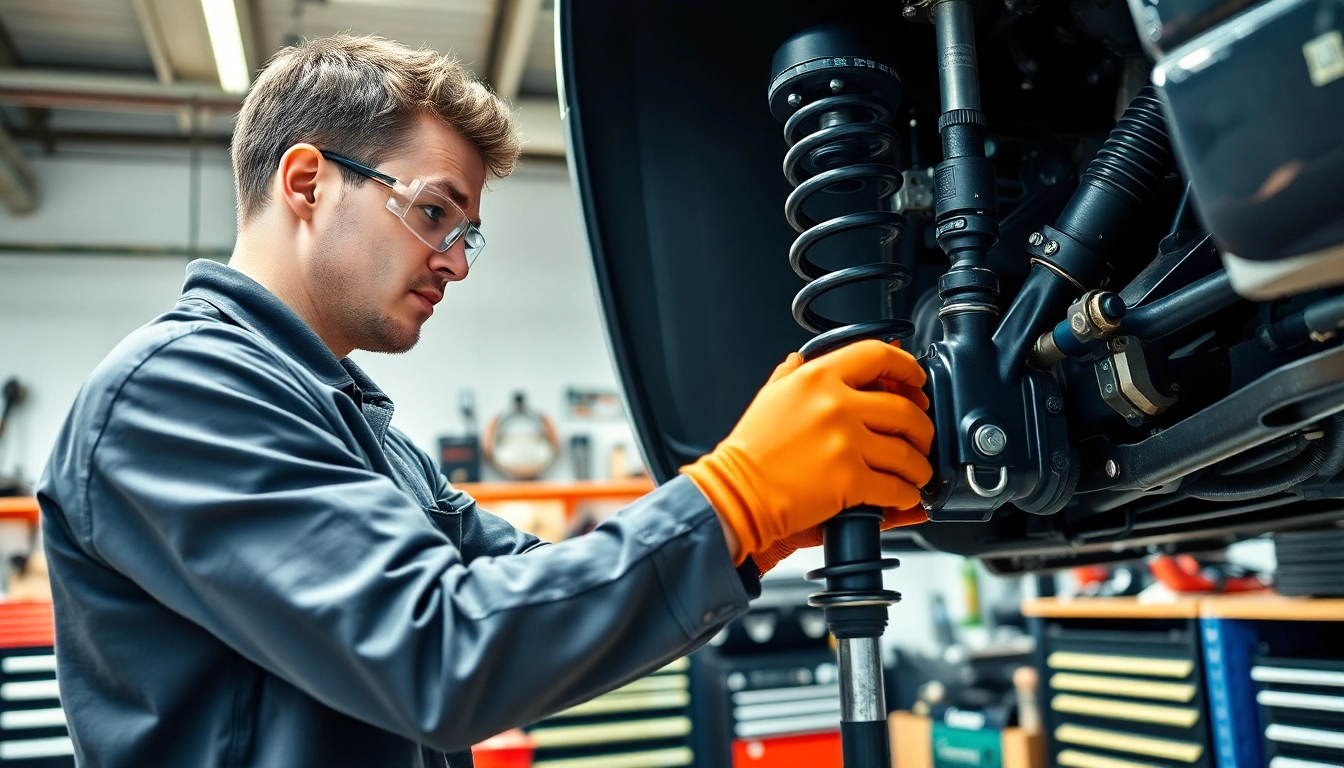
Understanding Suspension and Steering Repair Basics
What is Suspension and Steering Repair?
Every vehicle relies heavily on its suspension and steering systems to ensure safe, smooth, and comfortable driving. Suspension refers to the system of components that supports the vehicle's weight, absorbs shocks from the road, and helps maintain tire contact with the roadway. On the other hand, steering allows the driver to control the direction of the vehicle by manipulating the front wheels. When issues arise within these systems, comprehensive suspension and steering repair becomes essential to restoring functionality and safety.
Common Signs of Suspension Issues
Identifying suspension problems early can save you significant repair costs and improve vehicle safety. Common signs include:
- Unusual Noises: Clunking or rattling sounds while driving can indicate worn or damaged components.
- Poor Handling: If your vehicle feels loose or pulls to one side, there may be issues with the suspension or steering systems.
- Tire Wear: Uneven or excessive tire wear can suggest improper alignment or suspension damage.
- Body Roll: Excessive swaying or rolling in turns usually points to suspension failures.
- Drifting or Pulling: This can indicate misalignment or issues with steering components.
Importance of Regular Maintenance
Regular maintenance of your suspension and steering systems is critical in prolonging the lifespan of the components and ensuring safety. Neglecting these systems can lead to severe problems down the line, including compromised vehicle stability and increased wear on tires and brakes. Scheduled inspections and timely repairs can significantly reduce the risks associated with suspension and steering failures.
Types of Suspension Systems
Overview of Different Suspension Types
Understanding the different types of suspension systems can help drivers make informed decisions about their vehicles. The primary types include:
- Dependent Suspension: Commonly found in solid axle systems, where the suspension of one wheel affects the other directly. It is simpler and more robust but can compromise ride quality.
- Independent Suspension: This system allows each wheel to move independently, providing better handling and ride comfort. Most modern vehicles use this type for improved performance.
- Air Suspension: Utilizes air-filled bags instead of traditional springs, providing adjustable height and improved ride quality. It's often found in luxury vehicles.
Advantages of Independent vs. Dependent Systems
Independent suspension systems offer several advantages over dependent systems, including:
- Better handling and cornering ability due to increased tire contact with the road.
- Improved ride comfort, as bumps affect only one wheel at a time.
- Reduced body roll, enhancing driver and passenger comfort during turns.
However, dependent systems may be preferable for specific applications like heavy-duty trucks, where durability and load-bearing capacity are priorities.
How to Choose the Right Suspension System
Selecting the appropriate suspension system depends on various factors, such as:
- The vehicle type and its intended use (e.g., off-road, city driving).
- Driver preferences regarding comfort, handling, and performance.
- Your budget and the cost of maintenance or repairs associated with different systems.
Consulting with a professional can provide you with tailored recommendations based on these factors.
Common Steering Repair Problems
Diagnosing Steering Issues
Steering problems can manifest in various ways, making diagnostics essential for effective repair. Typical issues include:
- Difficulty Steering: If the steering wheel feels heavy or unresponsive, it may signify problems with the power steering system or misalignment.
- Loose Steering Wheel: A lack of resistance or excessive movement can indicate worn components like tie rods or steering gears.
- Vibration: Unusual vibrations in the steering wheel can point to imbalances or misalignments that require attention.
Typical Steering System Failures
Common steering system failures include:
- Power Steering Failure: Often caused by fluid leaks or pump failure, impacting steering effort.
- Worn Steering Components: Tie rods, ball joints, and other parts can wear out, affecting vehicle handling.
- Alignment Issues: Misalignment can lead to uneven tire wear and poor handling characteristics.
Preventative Measures for Steering Repair
Taking preventative measures can help avoid significant steering issues. Regular inspections and maintenance, including:
- Checking fluid levels and topping off power steering fluid as needed.
- Inspecting and replacing worn components proactively.
- Regular alignments to ensure proper handling and tire longevity.
By staying vigilant, you can prolong the life of your steering system and enhance overall vehicle performance.
The Suspension and Steering Repair Process
Steps Involved in Repairing Suspension
The repair process for suspension systems typically includes:
- Inspection: A comprehensive examination to assess the condition of components such as shocks, struts, and springs.
- Diagnosis: Identifying issues based on observations from the inspection, including symptoms reported by the driver.
- Disassembly: Carefully removing affected components to access underlying issues.
- Replacement: Installing new or refurbished parts as needed, ensuring everything is well-aligned.
- Testing: Conducting tests to confirm the repair's success and ensure that the system operates correctly.
Key Techniques for Steering Repair
For steering repairs, technicians often employ techniques such as:
- Alignments: Adjusting angles to restore proper alignment and improve handling.
- Fluid Replacement: Changing out old power steering fluid to maintain system health.
- Component Replacement: Swapping out worn or damaged parts to restore performance and safety.
Tools Required for Effective Repairs
Effective suspension and steering repairs require specialized tools, including:
- Wrenches and sockets for component removal.
- Torque wrenches to apply correct tension on fasteners.
- Alignment tools for correcting wheel angles.
- Lift jacks or automotive ramps for easy access to undercarriage components.
Investing in high-quality tools ensures repairs are performed safely and effectively.
Frequently Asked Questions About Suspension and Steering Repair
What are the signs I need suspension repair?
Look for clunking noises, poor handling, uneven tire wear, excessive body roll, or drifting while driving—all indicators of potential suspension issues.
How often should I check my steering?
It's advisable to check your steering system at least once a year or more frequently if you notice unusual handling characteristics or sounds.
Can I repair suspension and steering myself?
While some basic repairs can be done at home, professional diagnosis and repair are often best for complex issues to ensure safety and accuracy.
Why is suspension maintenance important?
Regular maintenance prolongs the life of your suspension, enhances ride comfort, and ensures safe vehicle operation by preventing system failures.
What costs are involved in suspension and steering repair?
Costs vary widely depending on vehicle type, specific repairs needed, and labor rates, so it's best to get a detailed estimate from a professional service center.