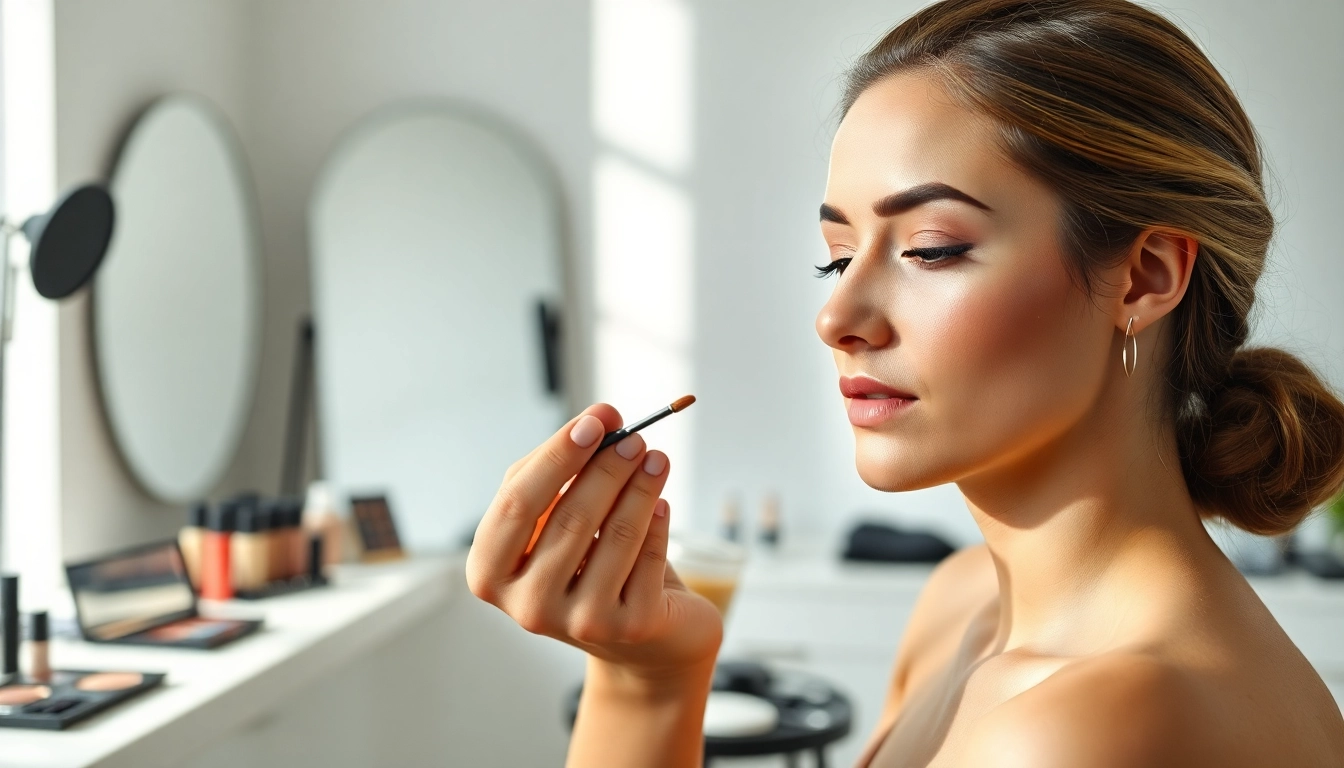
Understanding the Role of a Professional Makeup Artist
Defining Professional Makeup Artist
A professional makeup artist is a skilled individual who applies cosmetic products to enhance or alter the appearance of clients for various occasions, including weddings, photoshoots, and events. These artists are well-trained in the techniques of makeup application and artistry, utilizing a variety of products to achieve desired looks. They often possess a deep understanding of color theory, skin types, facial anatomy, and current trends to create balanced and aesthetically pleasing results.
Qualifications and Skills Required
To work as a professional makeup artist, certain qualifications and skills can boost credibility and effectiveness in the role. While formal education is not always necessary, many successful artists pursue training through specialized courses, workshops, or beauty schools. Key qualifications might include:
- Certification: Many artists gain certifications that vouch for their skills and knowledge.
- Portfolio Development: Creating a strong portfolio showcasing diverse makeup styles can be pivotal for attracting clients.
- Interpersonal Skills: Effective communication and understanding client needs are essential skills for delivering satisfactory results.
- Attention to Detail: Precision in application and the ability to analyze what enhances a client’s features is critical.
The Importance of Professional Services
Hiring a professional makeup artist offers numerous benefits. Clients gain access to products that are often not available in retail settings, ensuring high-quality materials used on their skin. Additionally, professional artists can tailor their techniques to suit individual skin types, preferences, and occasions, creating bespoke beauty solutions that enhance the natural beauty of each client.
Essential Tools and Products for a Professional Makeup Artist
Must-Have Makeup Brushes and Tools
Every professional makeup artist should equip their kit with a range of essential brushes and tools tailored to different makeup applications. Key tools include:
- Foundation Brushes: A variety including flat, round, and kabuki brushes for even application.
- Eyeshadow Brushes: Blending and precision brushes are critical for creating beautiful eye looks.
- Tools for Eyeliners and Lips: Angled brushes and lip brushes help achieve precision.
- Sponge Applications: Beauty blenders for flawless foundation and concealer application.
- Setting Tools: Powders and sprays that can fix the makeup in place for events.
Choosing Quality Makeup Products
When selecting makeup products, quality is paramount. Professional makeup artists often curate their kits with top-rated brands that offer superior pigment quality and longevity. This can include:
- High-Quality Foundations: Suitable for diverse skin types and tones.
- Long-lasting Formulas: Products that maintain integrity throughout prolonged wear.
- Skin-friendly Products: Non-comedogenic and hypoallergenic options for sensitive skin.
- Variety in Textures: Cream, liquid, and powder formulations for versatility in looks.
Organizing Your Makeup Kit
An organized makeup kit is not only more efficient but ensures that a professional makeup artist can source the necessary products quickly and effectively. Recommendations for organization include:
- Categorization: Organize products by type (face, eyes, lips) for easy access.
- Use Clear Containers: This helps in visualizing stock and makes it easier to locate items.
- Regular Maintenance: Check expiration dates and replace used-up or expired products consistently.
Techniques Every Professional Makeup Artist Should Master
Flawless Foundation Application
One of the hallmarks of professional makeup artistry is the application of foundation. A flawless finish can elevate an entire look. Techniques to master include:
- Skin Prep: Ensuring the skin is clean and moisturized creates a smooth base.
- Choosing the Right Formula: Matching foundation formulas to skin types and conditions enhances wearability.
- Layering: Building coverage gradually provides a natural finish without cakeiness.
Advanced Eye Makeup Techniques
Eyes often serve as the focal point, making advanced techniques crucial. A few techniques include:
- Smoky Eyes: Understanding blending and shade placement offers versatility.
- Cut Crease: A defined crease creates depth and structure.
- False Lash Application: Mastering this technique dramatically enhances the final look.
Creating Balanced and Beautiful Looks
Artists must understand harmony in makeup. This includes:
- Color Theory: Knowing how colors work will enable artists to choose shades that complement and enhance.
- Face Shapes: Understanding how to balance features can lead to stunning transformations.
- Highlighting and Contouring: Mastering this technique can sculpt and define the face beautifully.
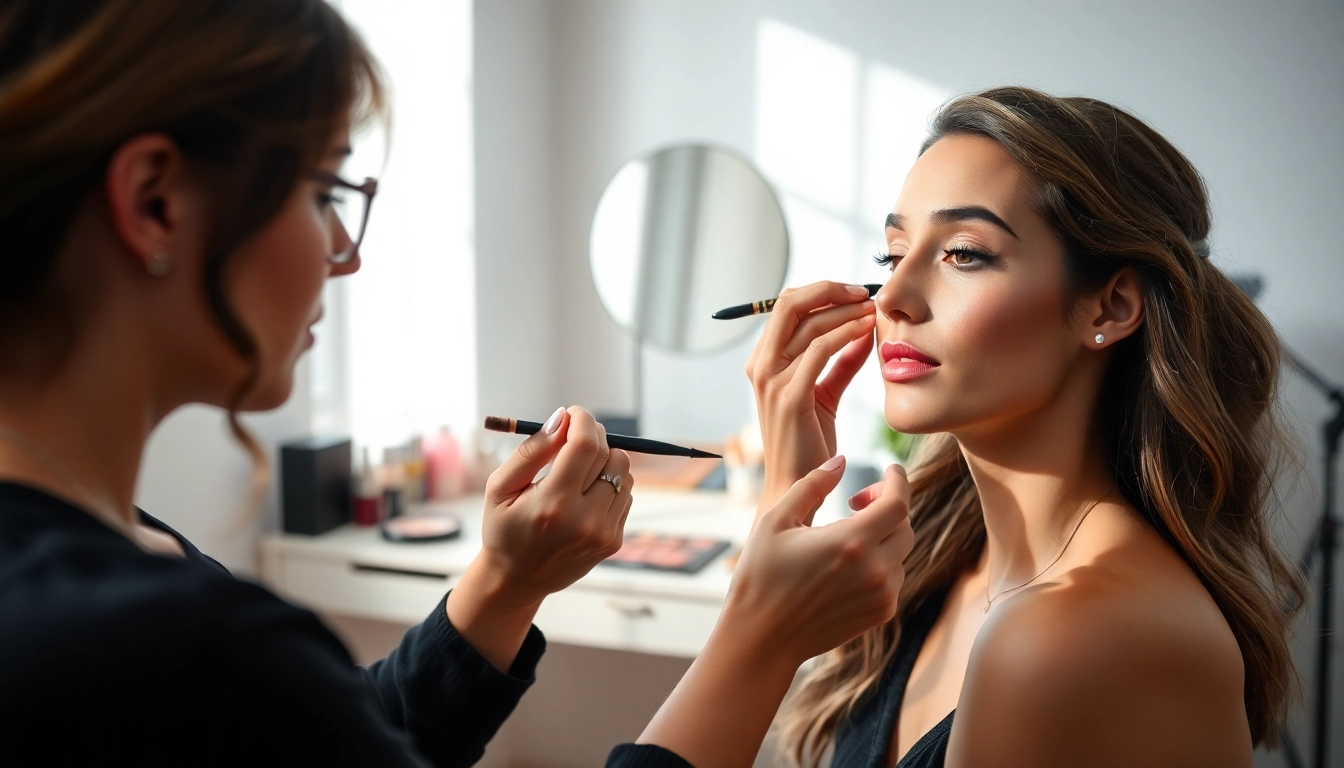
Marketing Yourself as a Professional Makeup Artist
Building a Strong Online Presence
In today's digital age, building an online presence is crucial for any professional makeup artist. Steps include:
- Social Media Strategy: Use platforms like Instagram and TikTok to showcase your work.
- Website Development: A professional-looking website serves as a portfolio and booking platform.
- Content Creation: Engaging beauty tutorials or blogs can attract an audience.
Networking and Collaboration Opportunities
Collaborating with photographers, models, and other artists can expand reach and visibility. Tips for networking include:
- Guest Features: Collaborating on styled shoots can benefit all parties involved.
- Local Events: Participate in local fashion shows or beauty expos.
- Join Professional Groups: Engaging with other professionals can lead to partnerships and referrals.
Effective Branding Strategies
Effective branding helps communicate what one stands for as a makeup artist. Key strategies include:
- Consistent Visual Identity: Logos, color schemes, and fonts should be consistent across platforms.
- Personal Storytelling: Sharing your journey can connect you emotionally to clients.
- Client Testimonials: Encouraging satisfied clients to leave reviews builds credibility.
FAQs About Hiring a Professional Makeup Artist
What should I look for in a professional makeup artist?
A professional makeup artist should have a strong portfolio showcasing diverse looks, positive client reviews, and the ability to understand your beauty goals and preferences.
How much does a professional makeup artist charge?
Fees can vary widely based on experience, location, and complexity of looks. On average, fees range from $50 to $300 or more for specialized services.
Do I need to provide my own makeup products?
Discuss this upfront with your makeup artist. Many bring their own products, but some may ask for specific items, especially if you have preferences.
Can a professional makeup artist cater to my skin type?
Yes! A trained professional can assess your skin type and recommend or use products tailored to your needs, ensuring optimal results.
Should I schedule a trial session with my makeup artist?
Absolutely! A trial session allows you to test different looks and ensure the artist meets your expectations before the special day.