In a world increasingly focused on energy savings and comfort, double glazed windows have emerged as a prime choice for homeowners looking to enhance their living spaces. But what exactly are double glazed windows, and why should you consider them? This article delves deep into the mechanics, benefits, and practical aspects of investing in double glazing, helping you make an informed decision for your home.
Understanding Double Glazed Windows
What Are Double Glazed Windows?
Double glazed windows, also known as insulated glazing, consist of two panes of glass separated by a space filled with air or gas. This design significantly enhances the thermal efficiency of windows by reducing the transfer of heat between the inside and outside of a home. To optimize energy efficiency, argon or krypton gas is often used in the gap, providing superior insulation compared to traditional single glazing.
How Do Double Glazed Windows Work?
The fundamental principle behind double glazing is rooted in thermal insulation. The two panes of glass, along with the intervening space, create a barrier that inhibits heat transfer. During colder months, the warm air inside your home is prevented from escaping, while in the summer, the heat from outside is blocked, thereby maintaining a more consistent indoor temperature. This natural insulation can lead to reduced energy bills and increased comfort throughout the year.
Key Components of Double Glazed Windows
1. Pane of Glass: Typically, two panes are used — each varying in thickness to provide strength and durability. 2. Spacer Bar: This metal or plastic frame separates the two panes, ensuring they maintain their intended gap and prevent condensation. 3. Sealant: A perimeter seal protects the glass from environmental factors, ensuring longevity and performance. 4. Gas Filling: As mentioned, the gap between the panes is filled with either air, argon, or krypton gas to enhance insulation efficiency. Understanding these components is essential for recognizing how double glazed windows perform compared to traditional single-pane options.
Benefits of Installing Double Glazed Windows
Energy Efficiency and Cost Savings
One of the most compelling reasons to invest in double glazed windows is their impact on energy bills. By effectively minimizing heat loss and gain, homeowners can expect reduced heating and cooling costs. The improved energy efficiency can lead to significant savings over time, making double glazing a financially astute choice in addition to an environmentally friendly one. According to various studies, homeowners can save up to 30% on their energy bills after switching to double glazing.
Noise Reduction Advantages
If you live in a bustling area, noise pollution might be a significant concern. Double glazed windows are known for their excellent soundproofing qualities, as the two layers of glass significantly reduce external noise. Studies indicate that double glazing can reduce noise levels by up to 60%, creating a quieter indoor environment that enhances overall comfort and peace in your living space. This makes them particularly beneficial for homes located near airports, busy streets, or other noise sources.
Enhanced Security Features
In addition to energy efficiency and noise reduction, double glazed windows also offer improved security compared to single-pane options. The thicker glass and the design of double glazing make it more challenging for intruders to break in, thus enhancing the safety of your home. Many designs also come with multi-point locking systems that further secure homes against unauthorized access, providing peace of mind for homeowners.
Choosing the Right Double Glazed Windows
Types of Double Glazed Windows
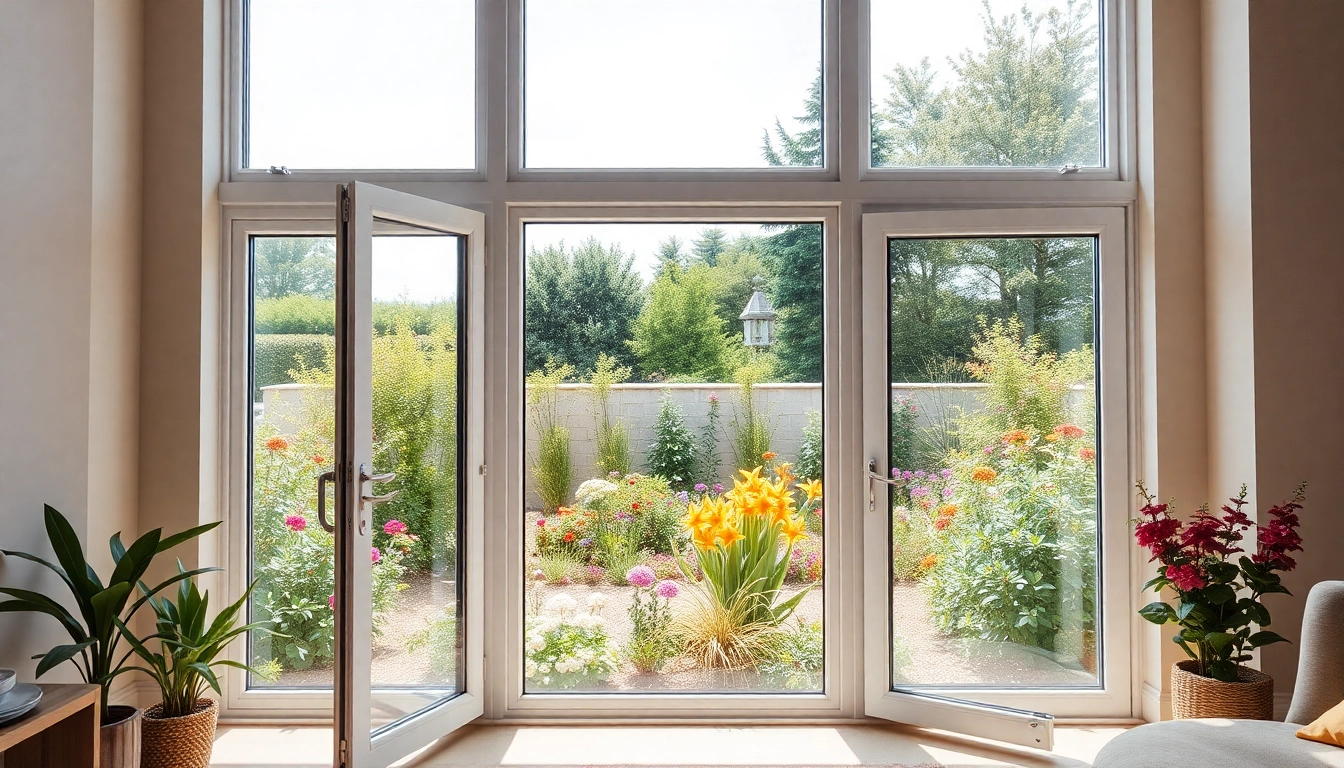
Double glazed windows come in various styles and materials, allowing homeowners to select options that complement their home’s aesthetic and performance needs. Some common types include: 1. Casement Windows: Hinged at the side, casement windows provide excellent ventilation and can be opened fully. 2. Sash Windows: These windows have sliding panes that can either be vertical or horizontal, combining traditional aesthetics with modern energy efficiency. 3. Sliding Windows: Featuring one or more movable panels, sliding windows are ideal for maximizing views without obstructing the space. 4. French Windows: Elegant and functional, these windows open outward and are often used to enhance patio access or garden views.
Factors to Consider When Selecting
When choosing double glazed windows, consider the following factors: 1. Frame Material: Options include uPVC, wood, and aluminum, each offering distinct aesthetic and performance benefits. 2. Energy Rating: Look for windows with a high energy efficiency rating to ensure optimal savings and comfort. 3. Manufacturer's Warranty: A strong warranty can provide peace of mind regarding the longevity and quality of your windows. 4. Aesthetics: Choose styles and finishes that complement your home’s architectural design. Careful consideration of these factors will help ensure that you select the right double glazed windows for your home.
Common Mistakes to Avoid
When purchasing double glazed windows, avoid these common pitfalls: 1. Overlooking Energy Ratings: Always check the energy efficiency ratings to ensure you’re making a cost-effective choice. 2. Insufficient Research: Compare different manufacturers and products to find the best options for your needs. 3. Ignoring Local Climate: Choose windows optimized for your specific climate conditions to maximize performance and comfort. 4. Not Considering Installation Costs: Factor in the cost of professional installation when budgeting for double glazed windows to avoid surprises.
Installation Process for Double Glazed Windows
Preparations Before Installation
Before the installation of your double glazed windows, several preparations must be put in place. This includes evaluating existing window frames to determine if they are structurally sound, measuring for accurate sizing, and checking local building codes to ensure compliance. Additionally, it is advisable to remove any obstructions near the installation area to provide ample workspace for installers.
Steps in the Installation Process
The installation of double glazed windows typically follows these steps: 1. Removing Existing Windows: Professionals will carefully take out old windows, ensuring minimal damage to surrounding areas. 2. Preparing the Opening: The window frame and the surrounding area are cleaned and inspected for potential repairs. 3. Setting the New Window: The new double glazed window is fitted into place, ensuring it is level and securely anchored. 4. Sealing: The edges are sealed with caulk or foam to prevent air leaks and improve insulation. 5. Finishing Touches: Interior and exterior trim are applied, and any necessary adjustments are made for a neat finish.
Post-Installation Care Tips
Once your double glazed windows are installed, proper care is essential for longevity: 1. Regular Cleaning: Clean the glass and frames regularly with gentle cleaners to prevent buildup. 2. Inspect Seals: Periodically check the seals for signs of wear or damage to maintain energy efficiency. 3. Adjust Mechanisms: If your windows have opening mechanisms, make sure they operate smoothly and are lubricated. 4. Monitor Condensation: If condensation forms between the panes, it may indicate a seal failure, necessitating professional inspection.
FAQs about Double Glazed Windows
What are the disadvantages of double-glazed windows?
While double glazed windows have many benefits, they can trap heat in warmer climates and may not suit specific architectural styles. They also tend to be more expensive upfront than single-pane options.
How much should a double glazed window cost?
The cost of double glazed windows can vary widely, typically ranging from £700 to £1,800 per window depending on size, materials, and installation complexities. It is essential to obtain quotes from contractors for accurate pricing.
What's the difference between double-pane and double-glazed windows?
Double-pane windows are often used interchangeably with double glazed windows, referring to the same concept of two glass panes separated by a spacer. The main distinction lies in terminologies used in different regions.
Do double glazed windows prevent condensation?
Double glazed windows can significantly reduce condensation, as they maintain a more stable internal temperature. However, if seals fail, moisture can form between the panes, indicating a need for replacement.
Are double glazed windows worth the investment?
Yes, although the initial cost is higher, the long-term energy savings, comfort improvements, noise reduction, and enhanced security make double glazed windows a worthwhile investment for many homeowners.