Understanding Pool Enclosure: Basics and Benefits
What is a Pool Enclosure?
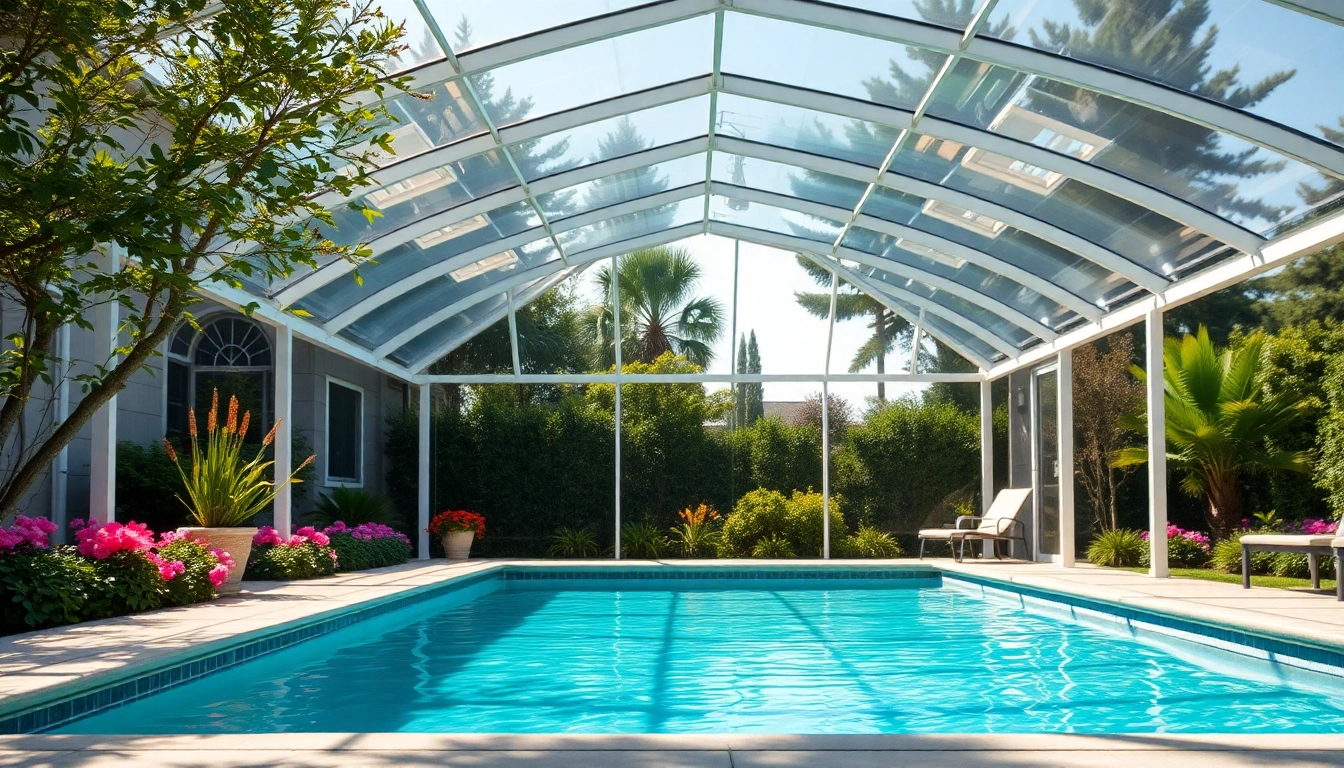
A Pool Enclosure is a structure designed to cover or enclose a swimming pool. Made from various materials such as glass, acrylic, or polycarbonate, these enclosures provide a protective barrier around the pool. They come in various shapes and sizes, ranging from rigid structures to retractable models that allow for flexibility in use. Pool enclosures can significantly enhance your outdoor environment while increasing the safety and longevity of your swimming pool.
Benefits of a Pool Enclosure
Investing in a pool enclosure boasts numerous advantages:
- Extended Swimming Season: Enclosures create a micro-climate around your pool, allowing you to enjoy swimming even in cooler weather.
- Reduced Maintenance: With an enclosure, leaves, debris, and insects are kept away, minimizing the frequency and cost of pool cleaning.
- Enhanced Safety: Enclosures provide an additional layer of security, preventing accidental falls into the pool, particularly for children and pets.
- Improved Energy Efficiency: By reducing evaporation and heat loss, enclosures lead to lower heating costs for your pool.
- Increased Property Value: Well-designed enclosures can significantly boost your home’s resale value by enhancing the aesthetic appeal and functionality of your outdoor space.
Common Types of Pool Enclosures
Pool enclosures come in various configurations, each tailored to different needs and preferences:
- Screen Enclosures: Made of sturdy aluminum frames and screen mesh, these enclosures offer ventilation while keeping insects and debris out.
- Glass Enclosures: Elegant and modern, glass enclosures provide unobstructed views and natural light while offering protection.
- Polycarbonate Enclosures: Lightweight and durable, polycarbonate panels protect against UV rays and retain heat, making them a popular choice for colder climates.
- Retractable Enclosures: These innovative designs allow the enclosure to be opened or closed based on the weather and personal preference.
- Inflatable Enclosures: Often used for temporary solutions, inflatable enclosures are easy to install and take down, making them a cost-effective option.
Choosing the Right Pool Enclosure for Your Needs
Factors to Consider
When selecting a pool enclosure, several factors should be taken into account:
- Location: Your geographical location and climate can influence your choice, with colder areas needing more insulated options.
- Pool Size: The dimensions of your pool will determine the size and type of enclosure suitable for your space.
- Desired Features: Consider amenities such as built-in lighting, heating options, and accessibility features you may want.
- Local Regulations: Always check local zoning laws and community regulations regarding pool enclosures.
Material Choices for Pool Enclosure
Your choice of material will significantly impact the appearance, durability, and maintenance of your enclosure. Common materials include:
- Aluminum: Lightweight, strong, and resistant to rust, aluminum frames are standard for many enclosures.
- Polycarbonate: Known for its excellent insulation and UV protection, making it ideal in environments with extreme weather conditions.
- Vinyl: Flexible and durable, vinyl offers various color options but may not be suitable for larger structures.
- Tent Fabric: An option for temporary solutions, typically less durable but affordable for short-term use.
Design Options
When it comes to design, pool enclosures can be as simple or as sophisticated as you prefer:
- Gable Roofs: These provide a classic look and can be more space-efficient.
- Dome Shaped: Great for snow load, domes can handle harsh weather while allowing ample sunlight.
- Curved Designs: These often integrate better into the landscape for a seamless appearance.
- Custom Designs: Work with professionals for unique shapes and features that suit your style.
Installation Process of a Pool Enclosure
DIY vs. Professional Installation
Deciding to install your pool enclosure yourself or hire professionals hinges on several factors:
- Complexity of Design: Simple structures may be achievable through DIY methods while complex designs are better handled by experts.
- Skill Level: Consider your own experience and skills in construction and installation.
- Time Constraints: If time is limited, hiring professionals may prove more efficient.
- Warranty Considerations: Some manufacturers only offer warranties for professionally installed products.
Steps for Installing a Pool Enclosure
The installation process typically follows these basic steps:
- Preparation: Clear the area around the pool, and gather necessary materials and tools.
- Measurement: Measure the pool dimensions accurately to ensure a proper fit.
- Foundation Work: Prepare the ground for the base, taking into account the type of enclosure chosen.
- Frame Assembly: Construct the frame according to the manufacturer’s instructions, ensuring stability.
- Panel Installation: Attach panels or screens, ensuring a secure fit to prevent gaps.
- Final Touches: Check for stability and make adjustments as necessary.
Common Mistakes to Avoid
Avoiding common pitfalls during installation can save you time and money:
- Ignoring Local Regulations: Familiarize yourself with local codes and regulations to avoid fines or required removals.
- Skipping Measurements: Accurate measurements are crucial for ensuring the enclosure’s fit and stability.
- Underestimating Weather: Some materials may not hold up well against certain weather conditions if not installed correctly.
- Neglecting Maintenance: Regular maintenance checks post-installation are essential for longevity.
Maintenance Tips for Your Pool Enclosure
Regular Cleaning Routine
Maintaining your pool enclosure involves regular cleaning to preserve its appearance and functionality:
- Soft Wash: Use mild soap and soft cloths or sponges to avoid scratching surfaces.
- Check Seals: Inspect seals regularly for wear and tear, replacing them as necessary to prevent leaks.
- Remove Debris: Clear leaves and dirt promptly to prevent staining and decrease cleaning efforts.
Seasonal Maintenance Steps
Different seasons require specific maintenance practices:
- Spring: Inspect for winter damage and give the enclosure a thorough clean.
- Summer: Monitor for wear from sunlight and heat; consider UV protection sprays.
- Fall: Prepare for winter by removing screens if necessary and checking structural integrity.
- Winter: Ensure snow does not accumulate on roofs; adjust heating if installed.
Repairing Common Issues
Even with diligent maintenance, issues may arise:
- Cracks or Chips: Address minor cracks with appropriate sealants to prevent further damage.
- Frame Deterioration: Replace corroded or damaged parts quickly to maintain stability and safety.
- Screen Tears: Repair or replace damaged screen sections promptly to keep insects out.
Investing in a Pool Enclosure: Cost and Value
Understanding Pool Enclosure Costs
The costs of pool enclosures vary widely based on several factors:
- Material: High-end materials like glass may escalate costs compared to aluminum or vinyl.
- Size: Larger enclosures naturally require more materials, leading to higher labor and material costs.
- Installation Type: DIY options generally lower costs versus hiring a professional with labor fees.
- Additional Features: Customizations such as lighting and heating will add to overall costs.
Is a Pool Enclosure Worth the Investment?
Numerous studies indicate that homeowners often recoup their investment on pool enclosures through increased property values and reduced maintenance costs. With the added benefits of extending your swimming season and providing safety, many find the upfront costs to be a wise long-term investment.
Financing Options for Your Pool Enclosure
Exploring financing options can make affording a pool enclosure more feasible:
- Home Improvement Loans: Many lenders offer personal loans specifically for home improvements.
- Credit Cards: If advisable, credit cards can help cover smaller projects, but be mindful of interest rates.
- Home Equity Lines: Leverage existing equity in your home to finance larger installations.
Frequently Asked Questions
What is the cheapest way to enclose a pool?
The cheapest option is typically an inflatable pool enclosure, often referred to as a bubble or dome. They are simple to set up and remove, making them budget-friendly for temporary use.
How long does it take to install a pool enclosure?
Installation time varies based on complexity and size but generally takes one to three days to complete a standard pool enclosure.
Can I install a pool enclosure myself?
While certain simpler models may be suitable for DIY installation, enlisting professional help is advisable for complex designs to ensure safety and quality.
How do I clean my pool enclosure?
Use a soft cloth or sponge with mild soap and water. Avoid harsh chemicals as they may damage the material over time.
Will a pool enclosure increase my property value?
Yes, a well-constructed pool enclosure can enhance your property’s appeal, extending the swimming season and lowering maintenance costs, thereby increasing its overall value.