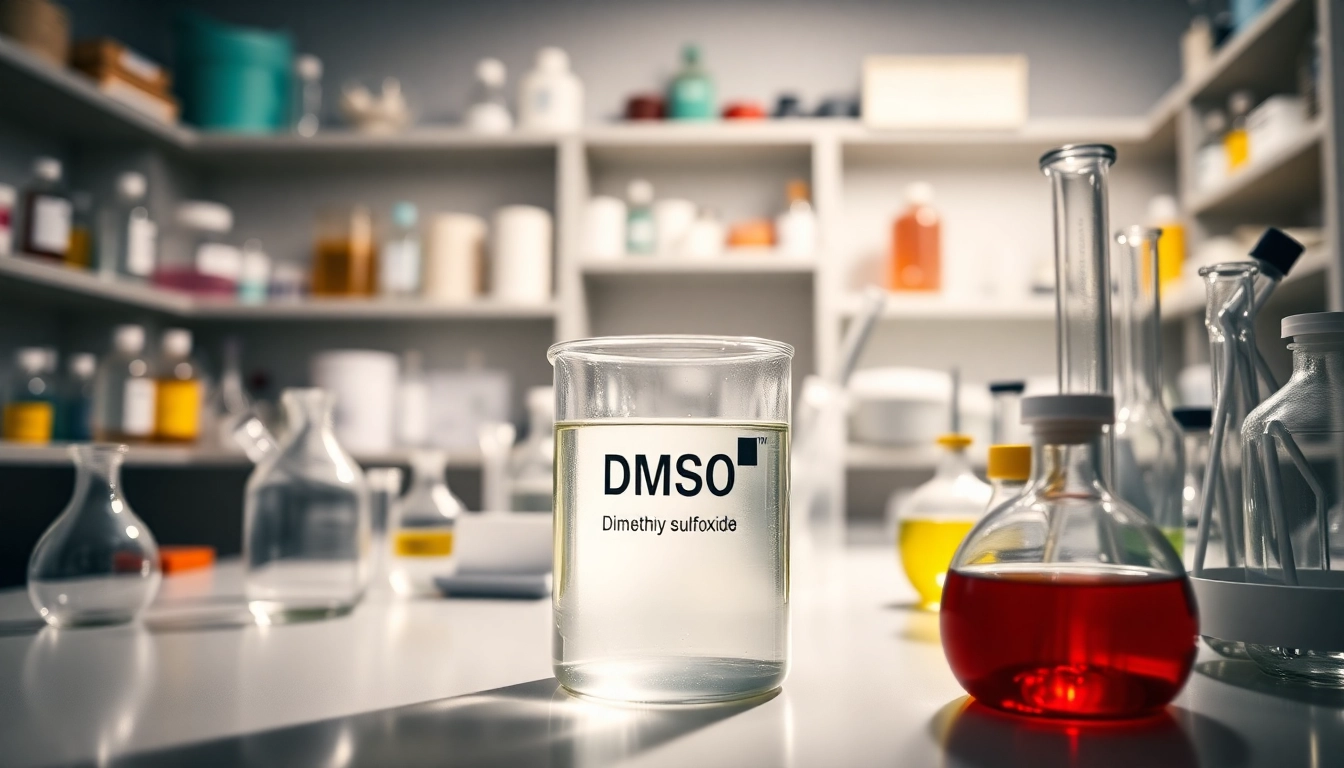
What is DMSO? Overview and Chemical Properties
DMSO, or dimethyl sulfoxide, is a colorless liquid that serves as an organosulfur compound, primarily utilized for its unique solvent properties. Its chemical formula is (CH3)2SO, representing two methyl groups and one sulfoxide group. This versatile compound is known for its ability to dissolve a wide range of polar and nonpolar compounds, making it extremely valuable in both industrial and medical applications. Its ; dmso is the most commonly used sulfoxide, found in numerous products and processes.
Chemical Structure and Characteristics
The molecular structure of DMSO includes a sulfur atom bonded to an oxygen atom, along with two carbon chains. This unique configuration contributes to its notable properties, such as high polarity, low toxicity, and its exceptional ability to penetrate biological membranes. DMSO is hygroscopic, meaning it can absorb moisture from the air, and it is miscible with a variety of solvents, including water, ethanol, and acetone. These characteristics make it an ideal candidate for diverse applications ranging from pharmaceuticals to chemical syntheses.
History of DMSO
The history of DMSO dates back to the late 19th century when it was first synthesized as a by-product of wood processing. However, its potential as a solvent and a therapeutic agent was not fully explored until the mid-20th century. Researchers began investigating DMSO's properties in medical contexts during the 1960s, particularly its ability to reduce pain and inflammation. Despite some promising studies, the FDA's hesitance to approve it for widespread use led to a mix of intrigue and controversy regarding its applications.
Common Applications of DMSO
DMSO has a wide variety of applications, both in industrial contexts and in the medical field. In laboratories, it serves as a solvent for substances that are difficult to dissolve in water, such as certain pharmaceuticals and polymers. Industrially, it is utilized in the production of textiles, plastics, and as a cryoprotectant in biological research. Clinically, DMSO finds applications in managing pain, treating arthritis, and potentially in oncology as an adjunct treatment in cancer therapies.
The Benefits of Using DMSO
The therapeutic properties of DMSO have garnered significant attention, offering various benefits, particularly in pain management and the treatment of inflammatory conditions.
Pain Relief and Anti-inflammatory Properties
One of the most widely recognized uses of DMSO is its efficacy as an anti-inflammatory agent. It has been shown to reduce swelling and pain associated with conditions like arthritis and sports injuries. Clinical studies suggest that DMSO may act by inhibiting the production of certain inflammatory cytokines, thereby providing relief to patients suffering from chronic pain. Topical formulations of DMSO are commonly applied directly to affected areas for localized pain relief.
Potential Role in Cancer Treatments
Recent research has explored the role of DMSO in cancer treatments, where it may enhance the effectiveness of chemotherapy. Some studies indicate that DMSO can facilitate the absorption of chemotherapeutic agents into cancer cells, which may lead to improved outcomes. However, while there is potential, more rigorous clinical trials are necessary to fully understand its benefits and appropriate use in oncology.
Other Medical Uses of DMSO
In addition to pain relief and potential cancer applications, DMSO is studied for various other medical uses. It has shown effectiveness in treating interstitial cystitis—a bladder condition—due to its ability to permeate tissues and relieve inflammation. DMSO's antifungal properties have also been examined, with some studies suggesting that it can be used in formulations against fungal infections.
Risks and Side Effects of DMSO Usage
While DMSO has numerous benefits, awareness of its potential risks and side effects is crucial for safe usage.
Common Side Effects
Users of DMSO may experience side effects, including skin irritation, allergic reactions, or a garlic-like taste in the mouth. Mild to moderate skin irritation can occur upon topical application, particularly for those with sensitive skin. It's essential for users to monitor their responses to DMSO and consult with healthcare professionals if adverse reactions occur.
Interactions with Other Medications
DMSO can potentially interact with various medications by enhancing their absorption through the skin or altering their metabolism. This property necessitates caution when using DMSO concurrently with other drugs, particularly prescribed medications. Patients should always inform their healthcare providers about all the treatments they are undergoing to avoid unforeseen complications.
FDA Regulations and Legal Status
The FDA has approved DMSO only for limited applications, such as treating interstitial cystitis. Its use for other conditions is considered "off-label," meaning that healthcare providers may recommend it based on clinical judgment and patient needs, but it lacks formal FDA endorsement for those uses. This status calls for careful consideration and discussion between patients and healthcare providers regarding its risks and benefits.
How to Use DMSO Safely
Using DMSO safely involves understanding proper administration techniques, dosage recommendations, and necessary precautions.
Topical Application Guidelines
When applying DMSO topically, it is crucial to start with a clean area. Users should apply it to unbroken skin and avoid contact with mucous membranes or sensitive areas. Most topical products recommend applying a thin layer, allowing it to absorb fully, and avoiding the use of other topical medications simultaneously in the same area to minimize potential interactions.
Dosage Recommendations
Dosage recommendations for DMSO vary based on the condition being treated and the formulation used. Typical concentrations for topical formulations range from 50% to 80%. It's advisable to consult medical professionals for individualized dosage based on specific health needs and conditions. Patients should not exceed recommended dosages to avoid increased side effects.
Precautions to Take
Before using DMSO, individuals should perform a patch test on a small area of skin to check for allergic reactions. Pregnant or nursing women and individuals with certain medical conditions should consult their healthcare providers before use. Additionally, since DMSO enhances skin permeability, any contaminants on the skin can be absorbed, so cleanliness is paramount.
Frequently Asked Questions About DMSO
Can I put DMSO directly on my skin?
Yes, DMSO can be applied topically for anti-inflammatory benefits, but ensure that the skin is clean and free from contaminants.
Is DMSO safe for human consumption?
While DMSO has therapeutic applications, its systemic use is not widely approved and should be approached with caution and professional guidance.
What are the legal uses of DMSO?
The FDA approves DMSO for treating interstitial cystitis; other uses are considered off-label and may lack formal approval.
How does DMSO compare with other solvents?
DMSO boasts superior solvent properties, solubilizing a wider range of compounds compared to many traditional solvents, thanks to its unique structure.
Is DMSO effective for chronic pain management?
Yes, many patients report pain relief from conditions like arthritis and sports injuries with DMSO due to its anti-inflammatory properties.