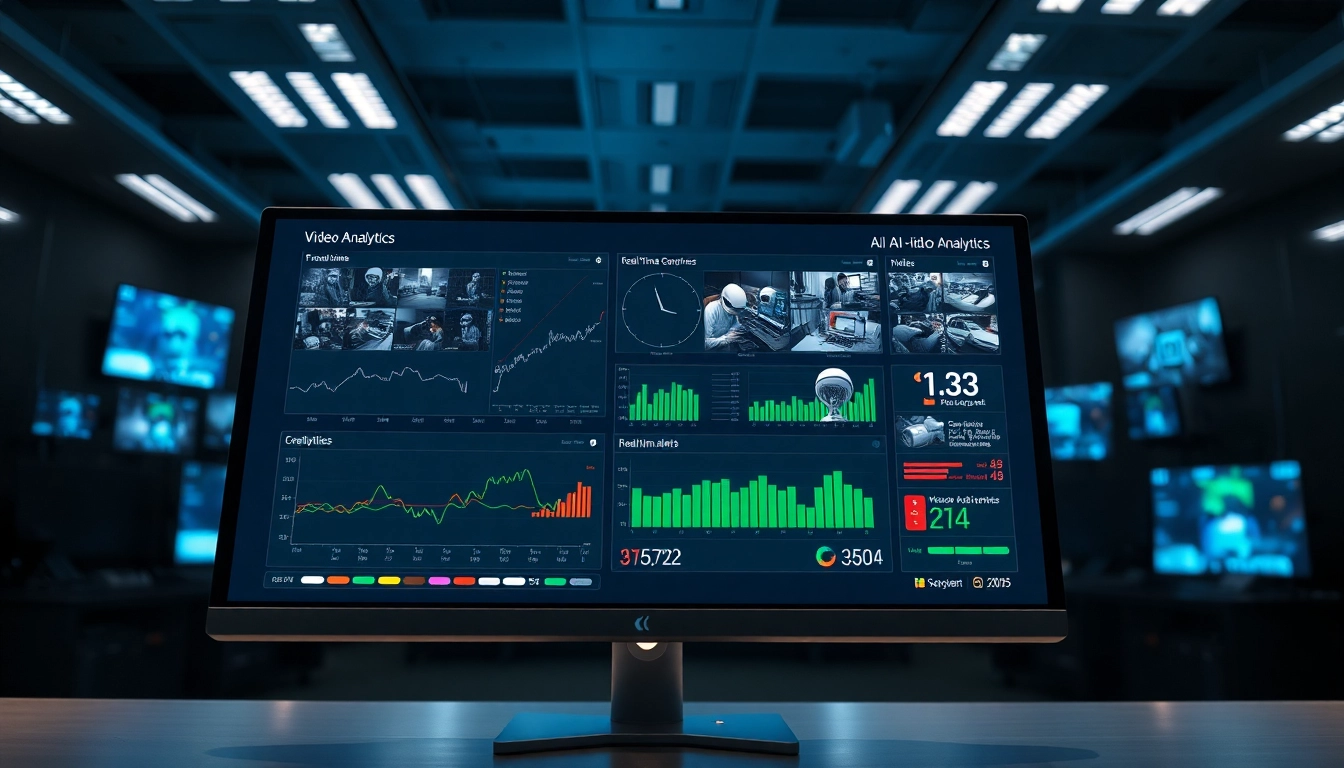
Introduction to AI Video Analytics
In an era where data drives decision-making, video surveillance is experiencing a significant transformation. With the advent of advanced technologies, AI video analytics has risen as a pivotal tool in revolutionizing the security landscape and beyond. This sophisticated process involves the application of artificial intelligence algorithms to analyze video content in real-time, extracting crucial insights that enhance security and operational efficiency. Organizations leveraging AI video analytics are better equipped to tackle emerging threats, optimize processes, and derive actionable intelligence from vast video data.
Defining AI Video Analytics
AI video analytics refers to the utilization of artificial intelligence technologies to automatically analyze video footage, recognizing patterns, objects, and activities that would otherwise require human observation. Through machine learning and neural networks, it can identify anomalies, detect specific behaviors, and even predict future incidents based on historical data. This automation reduces the need for manual monitoring, allowing security teams to focus on critical tasks.
Importance in Modern Surveillance
In today’s fast-paced world, the importance of AI video analytics cannot be overstated. Traditional surveillance systems often rely on human operators who may miss critical events due to fatigue or oversight. AI video analytics enhances surveillance efficacy by providing real-time data analysis, empowering organizations to respond swiftly to incidents. From facial recognition to license plate reading, AI video analytics offers unparalleled accuracy and efficiency, making it an indispensable asset in security operations.
Core Technologies Behind AI Video Analytics
The backbone of AI video analytics comprises various technologies, including:
- Machine Learning: Algorithms that learn from data patterns to improve predictive accuracy.
- Computer Vision: Enables systems to interpret and understand visual information from the world.
- Deep Learning: A subset of machine learning utilizing deep neural networks for complex pattern recognition.
- Big Data Analytics: Processes large sets of video data to extract valuable insights, driving decisions.
Key Benefits of AI Video Analytics
Enhanced Security Measures
AI video analytics significantly bolsters security frameworks across diverse sectors. By deploying intelligent algorithms, organizations can identify threats more effectively and reduce false alarms. For instance, real-time monitoring capabilities empower security personnel to receive instant alerts on potential breaches, enabling rapid responses before incidents escalate. Furthermore, advanced facial recognition technology allows for better tracking of individuals within secured spaces.
Operational Efficiency Improvements
Beyond security, AI video analytics contributes to operational efficiency by streamlining processes and minimizing costs. Automated systems can monitor foot traffic in retail spaces, gauge customer behavior, and optimize staffing levels accordingly. This data-driven approach enhances resource allocation and maximizes return on investment, enabling businesses to operate more efficiently while maintaining the security of their assets.
Data-Driven Decision Making
AI video analytics transforms raw video data into actionable intelligence, facilitating data-driven decision-making. Organizations can analyze behavioral patterns, preferences, and trends over time, allowing them to adjust their strategies accordingly. For instance, event organizers can use crowd analysis data to improve safety measures, implementing proactive strategies that address potential risks based on historical data.
Common Applications of AI Video Analytics
Retail Security and Customer Insights
In the retail sector, AI video analytics plays a crucial role in enhancing customer experience while ensuring a secure environment. Retailers can monitor customers' movements and analyze spending habits to tailor marketing strategies effectively. Moreover, potential theft can be identified through automated alerts, allowing security teams to intervene promptly.
Traffic Management Systems
Traffic management systems are increasingly equipped with AI video analytics to monitor patterns and enhance road safety. By analyzing vehicle movements, AI can help predict congestion, manage traffic flows, and even prevent accidents by alerting authorities in real-time about incidents on the road.
Crowd Monitoring at Events
Events ranging from concerts to sports games present unique challenges in crowd management. AI video analytics can monitor crowd density, track movements, and identify potential safety issues, enabling event planners to ensure a secure and organized environment. Early detection of overcrowding or emergency situations enhances response times and resource management, ultimately leading to a better experience for attendees.
Implementing AI Video Analytics Solutions
Steps for Effective Implementation
To capitalize on the benefits of AI video analytics, organizations must execute a well-defined implementation strategy:
- Define Objectives: Identify specific security and operational goals that AI video analytics can address.
- Assess Infrastructure: Evaluate existing video surveillance systems to determine upgrade needs.
- Select the Right Tools: Invest in software and hardware that align with organizational objectives.
- Staff Training: Provide comprehensive training to ensure team members are adept at utilizing the technology.
- Monitoring and Evaluation: Continuously assess the system's performance to adapt strategies as needed.
Challenges and Considerations
Despite its advantages, implementing AI video analytics comes with challenges, such as:
- Integration Issues: Ensuring new systems work seamlessly with existing infrastructure can be complex.
- Data Privacy Concerns: Organizations must address legal and ethical issues regarding surveillance and data handling.
- Cost Management: High initial investment may deter some organizations from adopting these technologies.
Best Practices for Success
To ensure successful deployment of AI video analytics:
- Engage stakeholders early in the process to gather insights and support.
- Prioritize ongoing monitoring to adapt to evolving security threats and operational needs.
- Invest in robust data protection measures to address privacy concerns proactively.
Measuring the Effectiveness of AI Video Analytics
Key Performance Indicators
Measuring the effectiveness of AI video analytics requires relevant key performance indicators (KPIs) to assess success. Useful KPIs include:
- Incident Response Time: Tracking the speed of responses to detected incidents.
- False Alarm Rates: Measuring the reduction in false alerts over time.
- Operational Efficiency Metrics: Evaluating cost savings and resource allocation improvements.
ROI Analysis
Understanding the return on investment (ROI) for AI video analytics involves evaluating both tangible and intangible benefits. Tangible benefits include reduced theft and operational costs, while intangible aspects may encompass improved customer satisfaction and brand reputation. Conducting regular ROI analyses can help organizations justify their investment and make informed decisions about future expansions.
Continual Improvement Strategies
Organizations should adopt a culture of continuous improvement to maximize the effectiveness of AI video analytics. Regularly revisiting the implementation strategy, evaluating technological advancements, and drawing insights from data analytics will keep systems current and effective. Engaging with industry developments, collaborating with technology providers, and adapting to emerging trends will ensure resilience and adaptability.
FAQs about AI Video Analytics
What is AI video analytics?
AI video analytics combines artificial intelligence with video surveillance technologies to analyze footage in real-time, identifying patterns and events for improved security and operational efficiency.
How does AI video analytics enhance security?
AI video analytics enhances security by automating threat detection, allowing for rapid incident response and significantly reducing false alarms compared to traditional monitoring methods.
Where is AI video analytics commonly applied?
AI video analytics is widely used in retail for customer insights, in traffic management for monitoring road conditions, and in event security to manage crowds effectively.
What challenges does AI video analytics face?
Some challenges include integration with existing systems, data privacy concerns, and the initial cost of implementation, which can be a barrier for some organizations.
How can I measure the ROI of AI video analytics?
Measuring ROI involves evaluating both quantitative factors such as cost savings and qualitative aspects like improved customer satisfaction and reduced risk in decision-making.